
Editor-in-Chief
Professor of Pediatric HematologyOncology and Stem Cell Transplantation
Pediatric HematologyOncology Stem Cell Transplantation Department
Tehran University of Medical Sciences
Iran


Editor-in-Chief
Assistant Professor
Department of Nutrition, Health and oncology
Moulay Ismail University
Morocco

Editor-in-Chief
Director-cum-Principal
Pharmacy
Amity University Madhya Pradesh, Gwalior, India
India
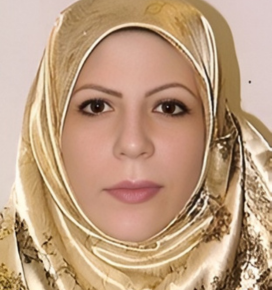

Editor-Member
Biologist
Department of Medical Biology
Pamukkale University, Faculty of Medicine
Turkey

Editor-Member
Biologist
Material Measurement Laboratory
National Institute of Standards and Technology
United States

Editor-Member
Department of Hygiene and Public Health, Rimini, Italy
Italy

Editor-Member
Postgraduate Researcher
Department of Pharmaceutical Sciences
RTM Nagpur University, Nagpur, Maharashtra.
India

Editor-Member
Principal Investigator
Gastroenterology and Liver Diseases
Shahid Beheshti University of Medical Sciences
Iran
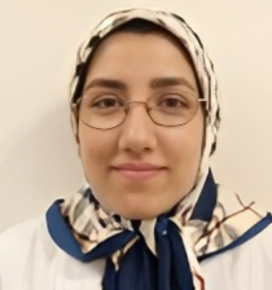
Editor-Member
Research Collaborator
Immunology Research Center
Iran University of Medical Sciences
Iran

Editor-Member
Postdoctoral Scientist
Cancer Immunotherapy
University of California, Irvine
United States of America
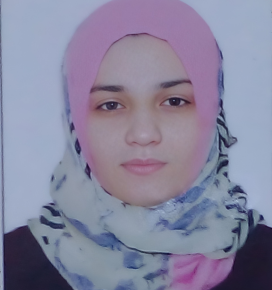
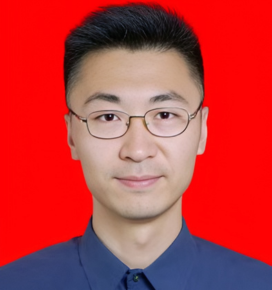
Editor-Member
Assistant Professor
Cancer Immunotherapy
Fujian Medical University
China

Editor-Member
Postdoctoral Researcher
Department of Medical Life Sciences and Technology
Technical University of Munich
Germany

The Journal of Targeted Oncology Research (JTOR) is an open-access journal dedicated to publishing cutting-edge research in oncology and targeted cancer therapies. The journal aims to promote the global exchange of knowledge and foster collaboration among researchers, clinicians, and healthcare professionals working to advance cancer diagnosis, treatment, and precision medicine.
JTOR serves as a comprehensive platform for disseminating innovative findings in cancer biology, molecular oncology, and translational research. It is committed to improving outcomes for cancer patients by highlighting advancements in targeted therapies, immunotherapies, and precision-based approaches.
The scope of JTOR encompasses all aspects of oncological research, with a particular focus on:
JTOR covers a broad spectrum of cancer types, including but not limited to breast, lung, gastrointestinal, genitourinary, hematological, and pediatric cancers. It also explores emerging areas such as cancer genomics, epigenetics, systems biology, and artificial intelligence in oncology.
By fostering interdisciplinary collaboration and providing a trusted global platform for scientific exchange, JTOR seeks to accelerate the translation of laboratory discoveries into effective clinical applications. The journal upholds a rigorous peer-review process to ensure the publication of high-quality, impactful research that drives progress in oncology and enhances patient outcomes.
With a mission to support evidence-based practice and promote innovation in cancer treatment, the Journal of Targeted Oncology Research (JTOR) aspires to be a leading international resource for oncologists, researchers, and industry professionals working toward a future where cancer is more effectively managed and ultimately, cured.
Authors may submit their manuscripts through the online Submit Manuscript system or by sending their manuscript as an e-mail attachment to the Editorial Office at editorialoffice@confseries.net.
The Journal of Targeted Oncology Research is dedicated to advancing research and innovation in cancer biology, precision oncology, and targeted cancer therapeutics. The journal provides a platform for researchers, oncologists, clinicians, and healthcare professionals to share original research, clinical studies, reviews, and emerging perspectives that improve the understanding, diagnosis, prevention, and treatment of cancer.
The journal welcomes basic, translational, and clinical research focused on molecularly driven approaches to cancer management. By publishing high-quality peer-reviewed content, the journal aims to bridge discoveries in cancer biology with clinical applications, promote personalized treatment strategies, and foster global collaboration in oncology research.
Key Areas of Interest
Clinical Oncology – Diagnosis, staging, management, and treatment of malignant diseases.
Precision & Personalized Oncology – Tailored cancer care guided by patient-specific molecular profiles, genetic information, clinical features, and therapeutic response.
Targeted Cancer Therapies – Molecularly targeted drugs, pathway inhibitors, monoclonal antibodies, and emerging targeted approaches.
Cancer Molecular Biology – Molecular mechanisms of tumor development, progression, invasion, and metastasis.
Cancer Genetics & Molecular Profiling – R...
| Journal Title | Journal of Targeted Oncology Research |
|---|---|
| ISSN | Updated Soon |
| Frequency | Annual (One issue per year) |
| Starting Year | 2025 |
| Publication Format | Online |
| Language | English |
| Publisher | Confseries Publishing |
| Editor-in-Chief | Amir Ali Hamidieh |
| Subject | Medical Sciences |
| support@confseries.com | |
| Mobile Number | +91 9666 822 625 |
| Website | https://www.confseries.com/journals/oncologytarget |
| Publisher Address | #58-15-30/3, Shantinagar, NAD-X-Road, Visakhapatnam, Andhra Pradesh - 530009, India. |
The journal follows a structured editorial and peer-review process designed to ensure academic quality, ethical integrity, and a transparent publication process. Each manuscript progresses through clearly defined stages, as illustrated in the workflow below.
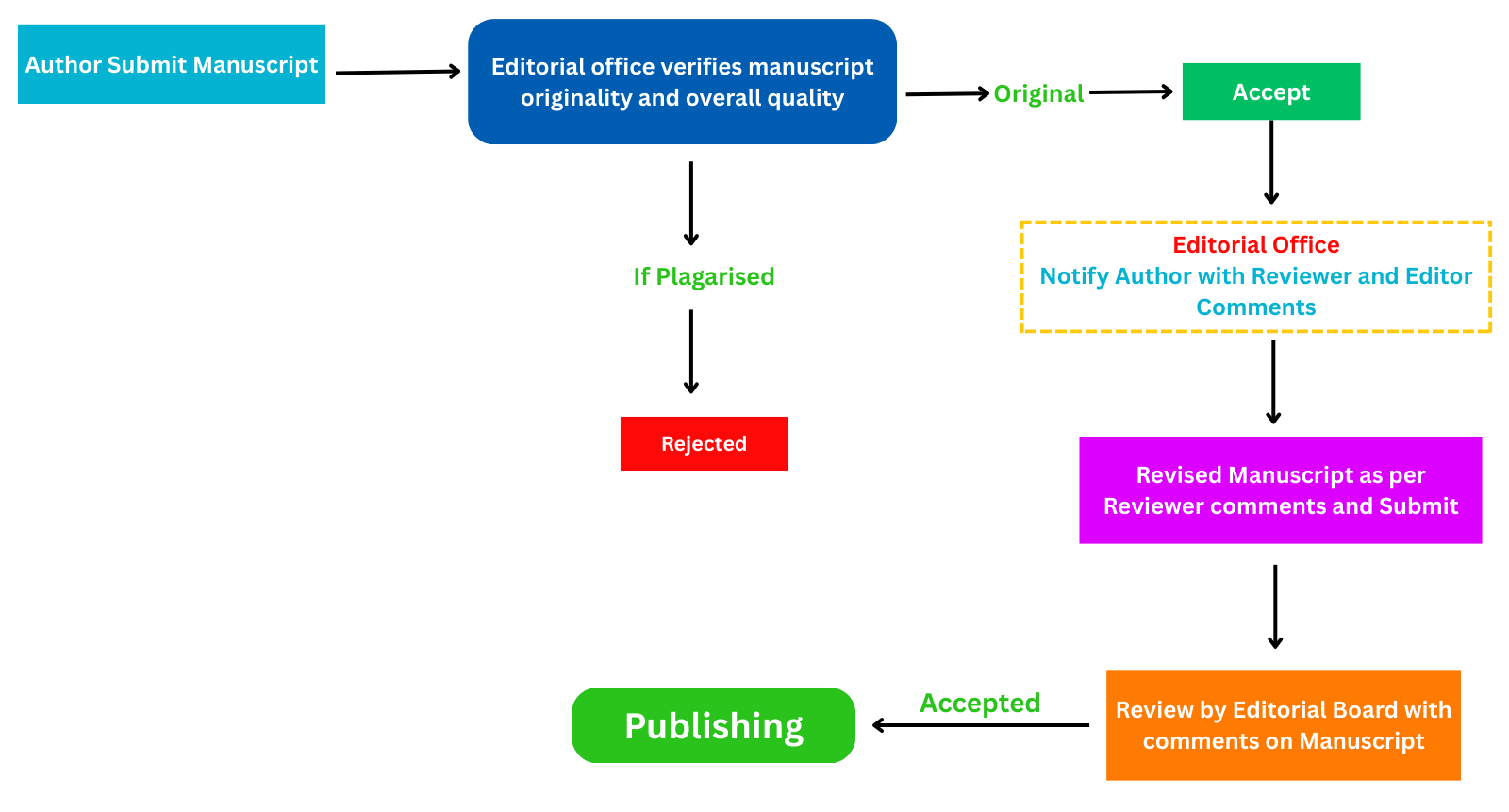
Manuscript Submission
Authors submit their manuscripts through the Confseries submission platform. All submissions must
comply with the journal's scope, author instructions, and ethical standards.
Editorial Office Initial Check
Each new submission undergoes an initial assessment by the editorial office to confirm:
Manuscripts identified as containing substantial plagiarism, duplicate submission, or serious ethical concerns are rejected during the initial editorial assessment without external peer review.
Manuscripts meeting the journal's initial editorial requirements proceed to the peer-review stage.
After passing the initial screening:
Reviewer Assessment
Reviewers critically evaluate each manuscript based on:
Editorial Decision
Based on reviewer feedback and editorial evaluation, one of the following decisions is issued:
Revision and Re-evaluation
For manuscripts requiring revision:
Acceptance and Publication
Manuscripts accepted for publication proceed to the production phase, which includes:
Ethical and Editorial Integrity
The journal's peer-review workflow reflects a transparent, ethical, and structured editorial process, ensuring that every manuscript is evaluated fairly, objectively, and on its scientific merit before publication.