The Editorial Board of the journal is responsible for maintaining the quality and integrity of the journal's content. The board members are experts in their respective fields and play a crucial role in the peer review process, ensuring that all articles published meet the highest academic standards.
The Editorial Board is committed to upholding the principles of academic excellence, transparency, and ethical publishing practices. They work closely with authors, reviewers, and the editorial team to facilitate a smooth publication process.
Editor-in-Chief View Profile
Professor of Pediatric HematologyOncology and Stem Cell Transplantation
Pediatric HematologyOncology Stem Cell Transplantation Department
Tehran University of Medical Sciences
Iran
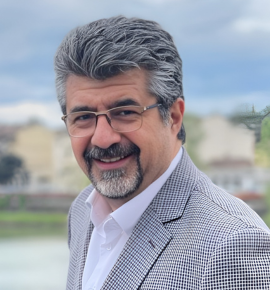
Dr. Amir Ali Hamidieh, M.D. is a Professor of Pediatric Hematology, Oncology, and Stem Cell Transplantation at Tehran University of Medical Sciences (TUMS), where he also serves as the Head of the Pediatric Hematology/Oncology and Stem Cell Transplantation Department at the Children’s Medical Center. As one of the leading figures in pediatric stem cell transplantation and cell and gene therapy in Iran, he has played a foundational role in establishing several national and institutional programs that advance regenerative medicine, immunotherapy, and pediatric transplant care.
Dr. Hamidieh is the Founder and Director of the Pediatric Cell & Gene Therapy Research Center, the Pediatric Stem Cell Transplantation Program, and the Innovation Center for Stem Cell and Regenerative Medicine at TUMS. He is also the Director of the Gene, Cell & Tissue Institute and has held key leadership positions within national science and research councils, including serving as Secretary General of the National Council for Development of Stem Cell Sciences and Technologies.
Internationally, Dr. Hamidieh is an active member of major global transplant and hematology networks. He has served on the Executive Board of the Asia Pacific Blood and Marrow Transplantation Group (APBMT), contributed to the Worldwide Network for Blood & Marrow Transplantation (WBMT), and participated in committees within the European Society for Blood and Marrow Transplantation (EBMT). His scientific services include membership on multiple journal editorial boards and extensive peer-review activity for high-impact journals in hematology, oncology, and transplantation.
His research spans a wide range of topics, including hematopoietic stem cell transplantation, CAR-T and CAR-NK cell therapy, immunotherapy for pediatric cancers, regenerative medicine, HLA and donor selection, primary immunodeficiencies, gene editing technologies, and artificial intelligence applications in transplant outcome prediction. Dr. Hamidieh has authored more than 100 peer-reviewed publications and led numerous clinical and translational research projects in pediatric oncology and stem cell therapy.
Through his clinical innovation, research leadership, and commitment to scientific development, Dr. Hamidieh has significantly contributed to advancing pediatric hematology and cellular therapeutics in Iran and the broader Asia-Pacific region.
Editor-in-Chief View Profile
Assistant Professor
Department of Nutrition, Health and oncology
Moulay Ismail University
Morocco
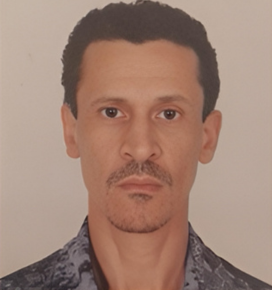
Prof. Farid Khallouki is a medicinal chemist and phytochemist with extensive expertise in natural product research. He obtained his Ph.D. from the Lorraine University of Metz, France, in 2003, and subsequently completed postdoctoral training at several leading institutions: DKFZ in Heidelberg, Germany (2003–2004), INSERM in Toulouse, France (2007–2009), and UAMS in Little Rock, Arkansas, USA (2009–2010). He later joined the Faculty of Science and Technology at the University Moulay Ismail in Morocco, where he holds a permanent academic position. Driven by a passion for discovering bioactive compounds from natural sources, Prof. Khallouki has contributed to numerous research projects and published in internationally recognized scientific journals. He is currently seeking collaborations with pharmaceutical companies and academic institutions in Morocco and abroad, with the aim of advancing research and innovation in the field of medicinal chemistry and natural products
Editor-in-Chief View Profile
Director-cum-Principal
Pharmacy
Amity University Madhya Pradesh, Gwalior, India
India
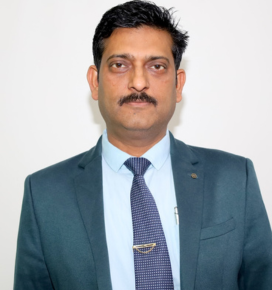
Prof. Dr. Manoj Kumar Mishra is a distinguished academic and researcher with over 25 years of experience in pharmaceutical sciences. He is currently serving as Director and Principal at the Amity Institute of Pharmacy, Amity University Madhya Pradesh, Gwalior. Dr. Mishra holds a Ph.D. in Pharmacy from Utkal University, Odisha, along with M. Pharm. and B. Pharm. degrees from the same institution. His expertise lies in formulation design, controlled and novel drug delivery systems, and pharmaceutics research, with extensive experience in both undergraduate and postgraduate teaching. He has guided more than 50 postgraduate and 6 doctoral scholars, contributing significantly to academic mentorship and research.
Editor-in-Chief View Profile
Professor
Hepatitis and AIDS
Pasteur Institute of Iran
Iran
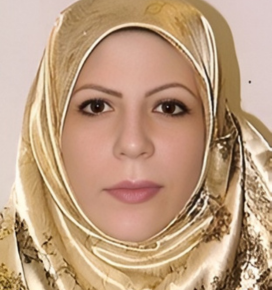
Azam Bolhassani is a Professor at Department of Hepatitis and AIDS, Pasteur Institute of Iran, Tehran, Iran. Her special topic focused on vaccine development against viral diseases (e.g., HPV, HIV and HCV infections) such as DNA vaccine, protein/peptide vaccine, live vaccine, VLP vaccine, cell-based vaccine (tumor-based, Dendritic cell-based vaccine) and exosome. The use of immunotherapy and chemotherapy against HPV-related cancer or other viral infections, and also improvement of vaccination strategies using different adjuvants and delivery systems especially heat shock proteins, nuclear proteins and cell penetrating peptides are her interests and activities in recent years. She has over 190 peer-reviewed publications
Editor-Member View Profile
Biologist
Department of Medical Biology
Pamukkale University, Faculty of Medicine
Turkey
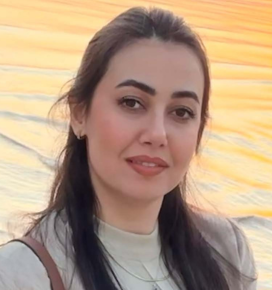
Zahra Azizi is a PhD candidate in Medical Biology at Pamukkale University, Turkey. She holds an MSc in Medical Biology and a BSc in Biotechnology. Her doctoral research focuses on molecular mechanisms involved in breast cancer progression, particularly ferroptosis, oxidative stress–related signaling pathways, and therapy resistance. She has extensive hands-on experience in cancer cell culture models, molecular biology techniques, and translational cancer research. Her work aims to bridge fundamental molecular findings with potential targeted therapeutic applications in oncology.
Editor-Member View Profile
Biologist
Material Measurement Laboratory
National Institute of Standards and Technology
United States
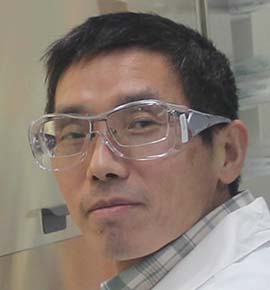
Dr. Zhiyong He earned his Ph. D. in molecular biology at Shanghai Institute of Biochemistry and Shanghai Jiao-Tong University. He then moved to the USA and trained in fertilization biology at UC Davis, and hematology at Mount Sinai School of Medicine. He worked as a junior faculty and conducted research on tendon and cartilage regenerative medicine, and cancer biology for approximately 10 years. Dr. Zhiyong He is a NIST Biologist working in the Biomarker and Genomic Sciences Group, Biosystems and Biomaterials Division. Dr. He’s primary research interest is development of reference materials for cancer biomarkers measurements, such as methylated cell free DNA, cancer related DNA mutations measurements in liquid biopsy. Dr. He is also working on development of integrated lentiviral vector copy number (VCN) cell lines reference materials, tumor and matched normal cell lines.
Editor-Member View Profile
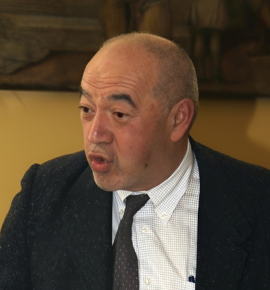
Department of Hygiene and Public Health, Rimini, Italy
Italy
Dr. Sebastiano Venturi, member of the Italian Thyroid Association, has studied the action of iodine in stomach, breast, saliva, immunity, and in stomach and breast cancers. He published research on iodine in evolution (iodide as an early inorganic antioxidant). He lectured at international conferences including a 2007 Beijing summit (invited by WHO and NCI), a 2013 London congress, and a 2022 St. Petersburg conference on radioactive cesium, pancreatic cancer, and diabetes. From 2020–2025 he published correlation studies linking radioactive cesium with the pancreas and diabetes and engaged in a scientific “Dialogue Format with Artificial Intelligence (AI)” connecting oncology, radiobiology and public health.
Editor-Member View Profile
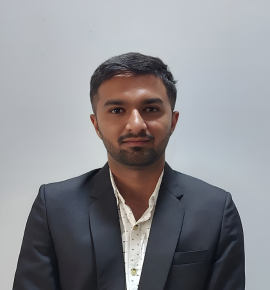
Postgraduate Researcher
Department of Pharmaceutical Sciences
RTM Nagpur University, Nagpur, Maharashtra.
India
Ujban Md Hussain is a young researcher from Maharashtra, India, specializing in pharmaceutics, nanotechnology, computational drug design, and artificial intelligence–assisted drug discovery. He completed his M.Pharm in Pharmaceutics from RTM Nagpur University as the University Topper (CGPA 9.68) and has authored 25+ international research publications, many in Q1–Q2 journals published by Elsevier, Springer, MDPI, AAPS, and others.
His research integrates AI, machine learning, molecular modeling, advanced nanocarriers, exosomes, brain-targeting systems, computational pharmaceutics, and oncology-focused drug delivery. He has been invited as a featured speaker at a Nature Conference (AI for Discovery & Research Automation, 2025) and has presented alongside scientists from MIT, Imperial College London, Max Planck Institute, Argonne National Laboratory, Monash University, and others.
He has received 13+ national awards, is a Smart India Hackathon Finalist, and has presented research at multiple international scientific conferences. His contributions extend to AI-driven PK modeling, bioinspired nanocarriers, oncology therapeutics, CNS drug delivery, and QbD-based pharmaceutical analysis.
Editor-Member View Profile
Principal Investigator
Gastroenterology and Liver Diseases
Shahid Beheshti University of Medical Sciences
Iran
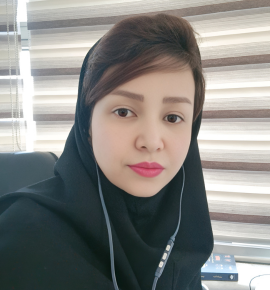
Dr. Zahra Shahbazi is a molecular geneticist and researcher specializing in medical genetics, cancer susceptibility, and next-generation sequencing based diagnostics. She earned her Ph.D. in Medical Genetics from the Pasteur Institute of Iran, where her doctoral research focused on the evaluation and characterization of genetic mutations in severe combined immunodeficiency patients using advanced sequencing methods. She also holds an M.Sc. in Molecular Genetics from Shahid Chamran University of Ahvaz and a B.Sc. in Animal Biology from Razi University of Kermanshah. Dr. Shahbazi currently serves as a Principal Investigator at the Basic and Molecular Epidemiology of Gastrointestinal Disorders Research Center, part of the Research Institute for Gastroenterology and Liver Diseases at Shahid Beheshti University of Medical Sciences in Tehran, Iran. She has also directed the Genetics Laboratory at Faraby Pathobiology and Genetic Laboratory, where she managed genetic testing programs covering cancer mutations, carrier detection, and prenatal diagnosis.
Editor-Member View Profile
Research Collaborator
Immunology Research Center
Iran University of Medical Sciences
Iran
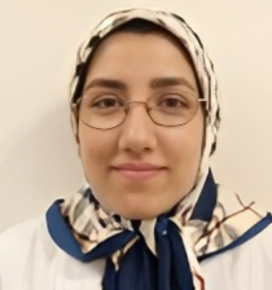
Dr. Zahra Mozooni is a Doctor of Veterinary Medicine (DVM) and a dedicated cancer researcher from Iran, specializing in gastrointestinal and urogenital oncology. She has over five years of research experience focused on molecular oncology, tumor immunology, and gene-based diagnostic development. Dr. Mozooni has collaborated with several prestigious Iranian institutions, including the Immunology Research Center at Iran University of Medical Sciences and the Genetics Research Center at Shahid Beheshti University of Medical Sciences. Her research has primarily centered on developing rapid stool- and urine-based diagnostic tests for colorectal and bladder cancers, as well as exploring genetic vector-based tumor suppressor gene delivery. She has authored 10 peer-reviewed publications, accumulating over 40 citations, and has presented her findings at international scientific conferences, including an invited presentation at a conference in Canada. In addition to her research achievements, Dr. Mozooni serves as a peer reviewer for leading international journals such as BMC Cancer, Discover Oncology, and the World Journal of Surgical Oncology.
Editor-Member View Profile
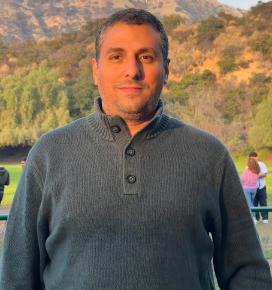
Postdoctoral Scientist
Cancer Immunotherapy
University of California, Irvine
United States of America
Dr. Mahmoud Kamal Mohamed Ismaeil Singer is a distinguished biomedical scientist specializing in cancer immunotherapy, molecular immunology, and translational oncology research. He currently serves as a Postdoctoral Scientist at the School of Medicine, University of California, Irvine (UCI), USA, where he will assume the role of Assistant Project Scientist beginning in October 2025. Dr. Singer earned his Ph.D. in Biochemistry (with a minor in Immunology) from the Faculty of Science, Ain Shams University, Cairo, Egypt, following his Master’s and Bachelor’s degrees in Biochemistry from the same institution. His doctoral research focused on developing innovative immunotherapeutic approaches for hepatocellular carcinoma, integrating cellular immunology with biochemical and molecular biology techniques. Over the course of his career, Dr. Singer has combined academic research, clinical collaboration, and industry experience. He has worked extensively in preclinical and clinical research, contributing to projects on hepatocellular carcinoma, multiple myeloma, leukemia, and other malignancies. His work at UCI focuses on novel combination immunotherapies, tumor microenvironment modulation, and T-cell receptor signature identification in cancer.
Editor-Member View Profile
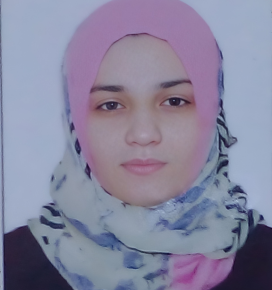
Lecturer
Biology
Al-Qasim Green University
Iraq
Dr. Zahraa Isam Jameel is a Lecturer in the College of Science at Al-Qasim Green University, Iraq. She earned her Ph.D. in Molecular Genetics from the University of Babylon in 2018, following an M.Sc. in Microbial Genetics (2014) and a B.Sc. in Biology (2011) from the same institution. Dr. Isam’s research primarily focuses on gene expression regulation, molecular diagnostics, human genetics, and bioinformatics, with a particular emphasis on uncovering the genetic mechanisms underlying various human diseases, including cancer. Her scientific contributions include studies on microRNA polymorphisms, genetic susceptibility to cancers, and molecular identification of pathogenic organisms. In her academic role, Dr. Isam teaches Molecular Biology, Genetics, and Bioinformatics, incorporating research-based learning approaches to enhance student engagement and critical thinking. Beyond her teaching and research, she actively contributes to the scientific community as a member of the editorial board of the Innovare Journal of Medical Sciences and serves as a reviewer for several international journals, including the Egyptian Journal of Medical Human Genetics, Oncology Research, and Frontiers in Nutrition.
Editor-Member View Profile
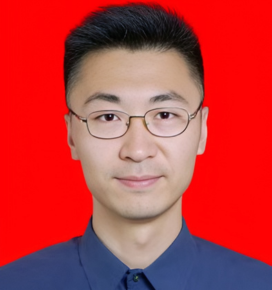
Assistant Professor
Cancer Immunotherapy
Fujian Medical University
China
Dr. Haizhou Liu is an Assistant Professor at the Fujian Provincial Key Laboratory of Cancer Immunotherapy, The First Affiliated Hospital of Fujian Medical University, China. He obtained his Ph.D. in Biomedical Engineering (Bioinformatics direction) from Nanjing University of Aeronautics and Astronautics (NUAA) in 2022, following a combined BD and MD degree in Basic Medicine (Bioinformatics direction) from Harbin Medical University (HMU). Dr. Liu has an extensive background in bioinformatics, pharmacogenomics, and network pharmacology, with a particular focus on cancer research. He has published multiple peer-reviewed articles in leading journals such as Genome Medicine, Journal of Molecular Biology, Molecular Therapy Nucleic Acids, and NPJ Precision Oncology. He actively contributes to academic communities as a member of several professional organizations, including the Chinese Association of Automation (CAA), the China Computer Federation (CCF), the Chinese Association for Artificial Intelligence (CAAI), and the Chinese Society of Biotechnology. Dr. Liu has also served as a reviewer for international conferences like BIBM and ICIC.

Editor-Member View Profile
Postdoctoral Researcher
Department of Medical Life Sciences and Technology
Technical University of Munich
Germany
Dr. Raphela Aranie Ranjan is a postdoctoral researcher at the Technical University of Munich, Germany, with over a decade of experience in biomedical and cancer research. Her expertise lies in 3D cancer models and in ovo systems, emphasizing tumor biology, stromal remodeling, and metastasis.She has demonstrated excellence in scientific communication, manuscript preparation, and project management, contributing to peer-reviewed publications and international conference presentations. Dr. Ranjan completed her PhD magna cum laude and has cultivated a research philosophy rooted in collaboration, clarity, and translational impact.
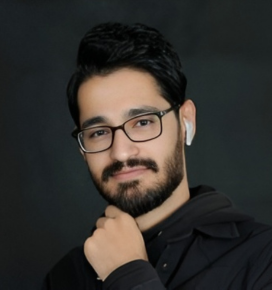
Javad Arabpour is an MSc student in Biophysics at Tarbiat Modares University, Iran. He holds a Bachelor’s degree in Microbiology from the Tehran Islamic Azad University of Medical Sciences. His research lies at the intersection of Artificial Intelligence, Computational Biology, and Cancer Biology, with a particular emphasis on the AI-based design of targeting peptides for site-directed drug delivery in pancreatic cancer. Javad possesses extensive expertise in bioinformatics, molecular modeling, and computational drug design, including molecular docking, molecular dynamics simulations, and high-throughput data analysis of RNA-Seq and transcriptomic datasets. Complementing his computational skills, he also has a strong laboratory background in hematology, biochemical testing, and ELISA techniques, enabling him to bridge computational findings with practical biomedical applications.