Journal of Neuroscience and Clinical Neurology

Now Accepting Manuscripts Annual (One issue per year) Open Access Single-Blind Peer Review
Editorial & Review Timeline
3 - 4 Days Initial Quality Review
20 Days Peer Evaluation Summary
30 - 45 Days Complete Editorial Processing Time

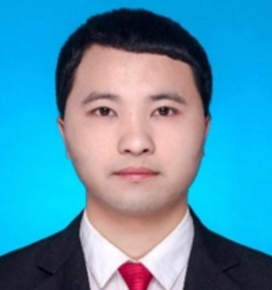
Yalong Gao

PhD

  • Affiliation: Department of Neurosurgery, Tianjin Huanhu Hospital
  • Department:
  • University: Tianjin Medical University
  • Email: yalong_gao@tmu.edu.cn
  • Country: China

Dr. Yalong Gao is a neurosurgery researcher and clinician at the Department of Neurosurgery, Tianjin Huanhu Hospital, China. He obtained his Bachelor’s degree in Clinical Medicine from Zhengzhou University and completed his PhD in Neurosurgery at Tianjin Medical University. His research focuses primarily on the pathophysiological mechanisms of secondary brain injury following traumatic brain injury (TBI), with particular emphasis on brain-derived extracellular vesicles, neuronal injury, neuroinflammation, coagulopathy, blood-brain barrier dysfunction, and neurovascular injury.

Dr. Gao has participated in multiple research projects supported by Tianjin and other research programs and has published peer-reviewed research in journals including Frontiers in Neuroscience, World Neurosurgery, International Immunopharmacology, Clinical and Applied Thrombosis/Hemostasis, and other biomedical journals.

Dr. Yalong Gao has been involved in research projects investigating traumatic brain injury and its secondary complications. His research activities include studies on brain-derived and mitochondrial microparticles in TBI-associated coagulopathy; lactadherin and secondary blood-brain barrier injury after TBI; phosphatidylserine externalization and Annexin A5 in TBI prognosis; Annexin A5-mediated protection against neuroinflammatory injury; and brain-derived extracellular vesicles in neuronal calcium homeostasis and neurological injury.

His scientific work has also included investigation of cerebral vasospasm, microparticle procoagulant activity, neuronal apoptosis, blood-brain barrier integrity, brain-derived mitochondrial effects on neurons and vascular endothelial cells, chronic subdural hematoma recurrence, and treatment outcomes in symptomatic Moyamoya disease. The CV lists 11 peer-reviewed publications in these areas.

  • Gao Y, Zhang H, Li X, et al. NS1619 Alleviate Brain-Derived Extracellular Vesicle-Induced Brain Injury by Regulating BKca Channel and Nrf2/HO-1/NF-κB Pathway. Oxidative Medicine and Cellular Longevity, 2022.
  • Gao Y, Zhang H, et al. Annexin A5 ameliorates traumatic brain injury-induced neuroinflammation and neuronal ferroptosis by modulating the NF-κB/HMGB1 and Nrf2/HO-1 pathways. International Immunopharmacology, 2022;114:109619.
  • Gao Y, Li K, et al. Exploration of cerebral vasospasm from the perspective of microparticles. Frontiers in Neuroscience, 2022;16.
  • Zhang H, Gao Y, et al. Recombinant Human Annexin A5 Alleviated Traumatic-Brain-Injury-Induced Intestinal Injury by Regulating the Nrf2/HO-1/HMGB1 Pathway. Molecules, 2022;27(18):5755.
  • Gao Y, Li X, et al. MPs-ACT, an Assay to Evaluate the Procoagulant Activity of Microparticles. Clinical and Applied Thrombosis/Hemostasis, 2023;29.
  • Dong XL, Li MQ, Li QF, Gao Y, et al. Effects of Cryopreservation on Microparticles Concentration, Procoagulant Function, Size Distribution, and Morphology. Medical Science Monitor, 2019;25:6675–6690.
  • Li QF, Gao Y, Xin WQ, Zhou ZW, et al. Meta-Analysis of Prognosis of Different Treatments for Symptomatic Moyamoya Disease. World Neurosurgery, 2019;127:354–361.
  • Shen J, Xin WQ, Li QF, Gao Y, et al. Methylene blue reduces neuronal apoptosis and improves blood-brain barrier integrity after traumatic brain injury. Frontiers in Neurology, 2019;10:1133.
  • Shen J, Xin WQ, Li QF, Gao Y, et al. A grading system for the prediction of unilateral chronic subdural hematoma recurrence after initial single burr hole evacuation. Risk Management and Healthcare Policy, 2019;12:179–188.
  • Zhang BL, Gao Y, Li QF, et al. Effects of brain-derived mitochondria on the function of neuron and vascular endothelial cell after traumatic brain injury. World Neurosurgery, 2019.
  • Shen J, Gao Y, Li QF, et al. Risk Factors Predicting Recurrence of Bilateral Chronic Subdural Hematomas after Initial Bilateral Evacuation. World Neurosurgery, 2019;130:e133–e139.