The Editorial Board of the journal is responsible for maintaining the quality and integrity of the journal's content. The board members are experts in their respective fields and play a crucial role in the peer review process, ensuring that all articles published meet the highest academic standards.
The Editorial Board is committed to upholding the principles of academic excellence, transparency, and ethical publishing practices. They work closely with authors, reviewers, and the editorial team to facilitate a smooth publication process.
Editor-in-Chief View Profile
Professor
Infectious Diseases
Istanbul University
Turkey
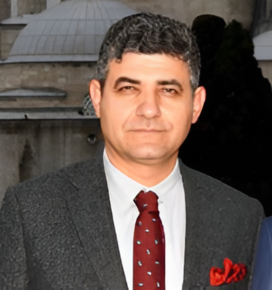
Professor Dr. Oral Oncul, MD, PhD is a leading Turkish physician and researcher specializing in infectious diseases, clinical microbiology, microbiota, oncology, and neuroscience. He serves as Professor at Istanbul University, Faculty of Medicine, onco immune genetic Research Group. A graduate of Gulhane Military Medical, he completed his residency in Infectious Diseases & Clinical Microbiology and later joined Istanbul University. Professor Oncul has held prominent academic and administrative positions, including Dean and Vice Rector of Istanbul University, and is a member of TUBA, TUSEB, and the Turkish Higher Education Council. His research focuses on nosocomial infections, antimicrobial resistance, microbiota–brain interactions, and cancer immunology, with more than 120 international publications and several was Internal Mayo Clinic, he integrates microbiology, immunology, and neuroscience to advance nanomedicine and genetic therapies for infectious and oncological diseases, bridging disciplines across medicine and biotechnology.
Editor-in-Chief View Profile
Program Leader
Computing and Engineering
University of Derby
United Kingdom
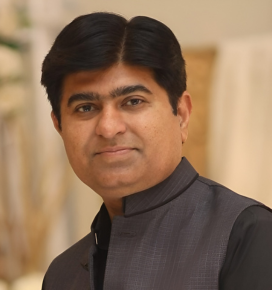
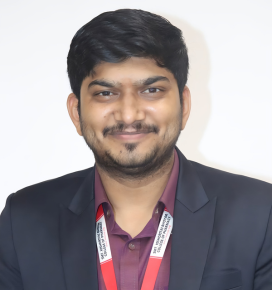
Dr. Mian Usman Sattar is an academic and researcher in Computing, currently serving as Programme Leader for the B.Sc. (Information Technology) at the University of Derby, United Kingdom. He holds a Ph.D. in Informatics from the Malaysian University of Science and Technology and an M.S. in IT Management from the University of Sunderland, UK. Dr. Sattar’s research integrates artificial intelligence, data analytics, enterprise systems, and information security, with a strong interdisciplinary focus on computational neuroscience and clinical decision support systems. His work has been published in prestigious international journals including Frontiers in Computational Neuroscience, Information, Sustainability, and the Journal of Intelligent Systems. He has led and collaborated on multiple international research grants, contributed to the establishment of the Centre for Artificial Intelligence Research, and actively serves as a reviewer for leading journals in neuroscience, medicine, and intelligent systems. A certified Microsoft and SAP professional, Dr. Sattar continues to advance innovation at the intersection of AI, data science, and clinical applications, fostering the use of intelligent technologies to enhance healthcare and neurological research outcomes.
Editor-in-Chief View Profile
Assistant Professor
Neuroscience
Duke-NUS Medical School
Singapore
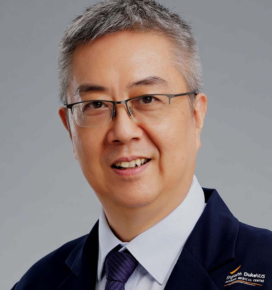
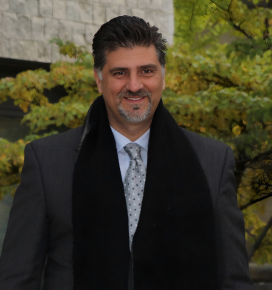
Dr. Zhou Zhi Dong is a Clinician Scientist and Principal Investigator at the National Neuroscience Institute (NNI), Singapore, and an Assistant Professor in the Neuroscience and Behavioural Disorders (NBD) Programme at Duke-NUS Medical School. He graduated with a Doctor of Medicine (M.D.) from Nantong Medical University in 1991 and completed five years of postgraduate clinical training in Internal Medicine at the First People’s Hospital of Nantong City, Jiangsu Province, China. He later earned his Ph.D. in Biochemistry & Molecular Biology / Biophysics from the Shanghai Branch of the Chinese Academy of Sciences in 2003. Following his doctoral studies, Dr. Zhou undertook postdoctoral training in Parkinson’s disease (PD) research at the National University of Singapore (NUS). Dr. Zhou joined the National Neuroscience Institute where he became a member of the National PD Translational Bench-to-Bedside Team, focusing on translational neuroscience and neurodegenerative disorders. His current research explores novel therapeutic targets, neuroprotective agents, and biomarkers in Parkinson’s and Alzheimer’s diseases, aiming to improve diagnosis, prognosis, and therapeutic strategies.
Editor-in-Chief View Profile
Director
Cellular and Translational Neuroscience
Maastricht University
Netherlands
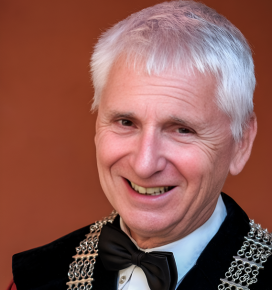
Dr. Hendrik (Harry) Wilhelm Maria Steinbusch is a distinguished Dutch neuroscientist and Professor Emeritus of Cellular and Translational Neuroscience at Maastricht University, The Netherlands. Born in 1950 in Kerkrade, he earned his Ph.D. cum laude at the Catholic University of Nijmegen in 1982 with a groundbreaking dissertation on serotonergic neurons in the rat brain. Over a career spanning more than four decades, Dr. Steinbusch has made pioneering contributions to the understanding of brain development, neuroplasticity, aging, depression, and neurodegeneration. His work has particularly highlighted the link between early-life stress, depression, and Alzheimer’s disease. He has supervised more than 107 Ph.D. students, authored over 615 scientific publications, and achieved a Hirsch index (h-index) of 110, with over 45,000 citations. His leadership extended far beyond research, having established and directed multiple international neuroscience programs and networks, including EURON, NENS, and MHeNS. In recognition of his outstanding contributions, he has received several Lifetime Achievement Awards (Italy, South Korea, International Society for Serotonin Research) and was knighted in the Order of the Dutch Lion (2018). He continues to be highly active in fostering global collaborations, mentoring young scientists, and advancing translational neuroscience research.
Editor-in-Chief View Profile
Full Professor
Medicine
University of Bari Aldo Moro
Italy
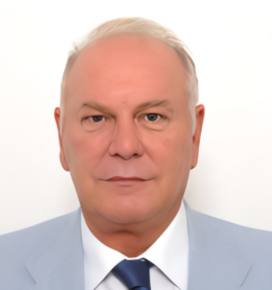
Prof. Francesco Inchingolo, MD, DMD, O.M.F.S, M.P.H is a Full Professor of Odontostomatological Diseases at the University of Bari “Aldo Moro,” Italy, where he also serves as Director of the School of Specialization in Orthodontics. With over four decades of academic, clinical, and research experience, he has authored more than 440 peer-reviewed publications and several book chapters. His research spans medicine and dentistry, stem cells, regenerative medicine, implantology, oral and maxillofacial surgery, orthodontics, public health, and biotechnology. A recipient of numerous national and international awards, he is recognized among the world’s Top 2% Scientists (Stanford University ranking) and frequently serves as an invited speaker at global scientific conferences.
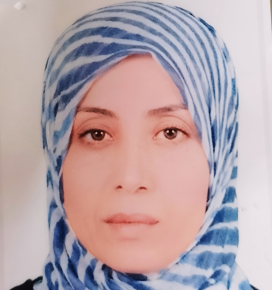
Editor-Member View Profile
Assistant Professor
Electronics and Computational Neuroscience
University of Monastir
Tunisia
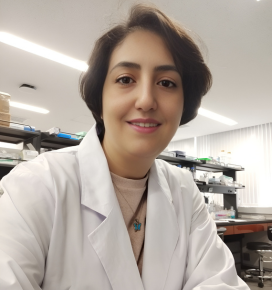
Dr. Kaouther Selmi is an Assistant Professor of Electronics and Computational Neuroscience at the University of Monastir, Tunisia. She earned her Ph.D. in Computer Science from the University of Monastir in 2024. Her research lies at the intersection of electronics, nonlinear dynamics, and neural modeling, with a particular focus on simulating brain behavior through mathematical and electronic circuit approaches. Dr. Selmi has authored and co-authored several scientific papers in international journals and conferences on topics such as chaotic neural systems, neuron–astrocyte–synapse interactions, and the application of Bessel functions in modeling multi-dendritic neuron behavior. Her recent work explores neuromorphic and bio-inspired architectures, aiming to bridge artificial intelligence and biological signal analysis for the understanding and classification of complex brain dynamics. In addition to her research, Dr. Selmi mentors graduate students in machine learning, biomedical signal processing, and the development of intelligent embedded systems. She has presented her work at numerous international conferences, including those in France, Korea, Saudi Arabia, and Egypt, and has received recognition for her research contributions, including a Best Paper Award in 2024.
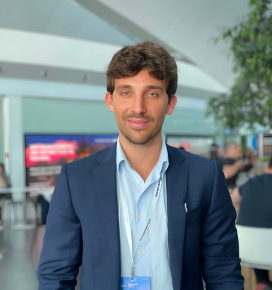
Editor-Member View Profile
Neurologist
Human Neuroscience
Sapienza University of Rome
Italy
Dr. Simone Aloisio was born in Rome, Italy, where he completed his early education at a Scientific High School before graduating cum laude in Medicine from Sapienza University of Rome. He is currently serving as a Neurologist and pursuing a PhD in Clinical Experimental Neuroscience at the Department of Human Neuroscience, Sapienza University of Rome. His academic and clinical career is dedicated to advancing the understanding of movement disorders, with a particular focus on clinical neurophysiology and translational biomarkers in Parkinson’s disease and atypical parkinsonism. Dr. Aloisio is an active member of several prestigious neurological associations, including the European Academy of Neurology (EAN), the International Parkinson and Movement Disorder Society (MDS), the Italian Society of Neurology (SIN), the Italian Association for Movement Disorders (LIMPE-DISMOV), and the American Academy of Neurology (AAN).
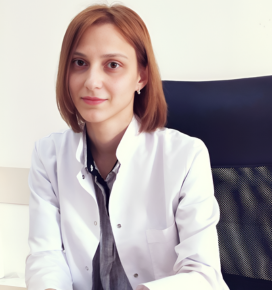
Editor-Member View Profile
Associated Professor
Department of Medicine
Georgian National University
Georgia
Dr. Tatia Aprasidze, MD, PhD, is a pediatric neurologist at M. Iashvili Children’s Central Hospital in Tbilisi, Georgia, and Associate Professor at Georgian National University. She is also a visiting lecturer at David Tvildiani Medical University. She earned her PhD in 2023 on childhood arterial ischemic stroke and completed postdoctoral research at the University Children’s Hospital, Inselspital Bern, Switzerland, supported by the Swiss Government Excellence Scholarship and the EAN Fellowship. Her clinical and research expertise includes pediatric stroke, epilepsy, and neurodevelopmental disorders. She has presented at leading international congresses, published widely, and received the Young Investigator Award at the World Stroke Congress in 2018.
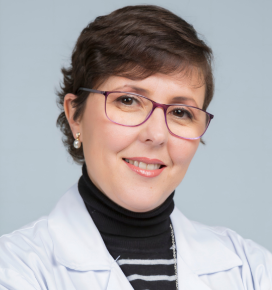
Editor-Member View Profile
Professor
Neurology
University of Alcala
Spain
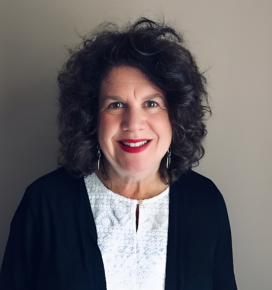
Dr. Lucienne Costa-Frossard França, MD, is a Consultant Neurologist at the National Multiple Sclerosis (MS) Reference Center of the Hospital Universitario Ramón y Cajal in Madrid, Spain, and a researcher at the Instituto Ramón y Cajal de Investigación Sanitaria (IRYCIS). She holds a Medical Degree (Licenciatura en Medicina y Cirugía) from the Universidad de Barbacena (Brazil, 1995), where she graduated with distinction (Premio José Bonifacio de Andrade), and completed her Specialization in Neurology at the Hospital Universitario Ramón y Cajal (Spain, 2006). Dr. Costa-Frossard is an established clinician-scientist with a dual profile in clinical neurology and translational neuroimmunology research, focusing on Multiple Sclerosis (MS). She has extensive experience in clinical trial coordination, having served as principal investigator and national coordinator for numerous multicenter trials in Spain on advanced MS treatments, including anti-CD20 therapies (ocrelizumab, ofatumumab, rituximab), S1P modulators, BTK inhibitors, extended-interval natalizumab, and CAR-T cell therapy approaches.
Editor-Member View Profile
Academic Leader
Neurophysiology
Universidad Autonoma Metropolitana
Mexico
Dr. Maria del Carmen Rubio Osornio is a distinguished Medical Research Scientist and Academic Leader renowned for her contributions to the field of neurophysiology, particularly in the study of epilepsy and neurological disorders. As a recognized National Researcher Level II (SNI II) within Mexico’s National System of Researchers, she has built a career marked by scientific excellence, leadership, and a strong commitment to advancing biomedical knowledge. A native of Mexico, Dr. Rubio Osornio earned her Ph.D. in Biological and Health Sciences from the Universidad Nacional Autónoma Metropolitana (UAM-Xochimilco) in 2011, following a Master’s Degree in Psychobiology and a Bachelor’s Degree in Psychology, both from the Universidad Nacional Autónoma de México (UNAM). Her multidisciplinary academic background has supported a comprehensive approach to understanding the molecular and physiological mechanisms underlying neurological dysfunction. Dr. Rubio Osornio currently serves as Academic Leader in the Department of Neurophysiology at the National Institute of Neurology and Neurosurgery (INNN MVS), where she also holds the position of Medical Research Scientist “D” within Mexico’s Secretary of Health. Her research focuses on neurophysiological characterization and the molecular pathways involved in epilepsy, including the Wnt/β-catenin signaling pathway and electrophysiological alterations in neuronal populations.
Editor-Member View Profile
Adjunct Faculty
Department of Pediatrics
Emory University School of Medicine
USA
Juliet Haarbauer-Krupa, PhD, FACRM, is an accomplished researcher and clinician with 40 years of experience in traumatic brain injury (TBI) across clinical practice, research, and public health domains. She serves as Adjunct Faculty in the Department of Pediatrics at Emory University School of Medicine and previously worked as a Senior Health Scientist at the CDC’s Division of Injury Prevention, where she led and contributed to national TBI surveillance, prevention, and policy efforts.
Her work spans pediatric and adult TBI, rehabilitation program development, longitudinal research studies, and major contributions to CDC’s Report to Congress on the Management of TBI in Children. She has authored numerous peer-reviewed publications and book chapters, and has received prestigious recognitions including the 2025 Robert L. Moody Prize, the BIAA William Fields Caveness Award, and multiple honors for her research, advocacy, and leadership in brain injury rehabilitation.
Editor-Member View Profile
AI Research Scientist
Department of Computer Science
California State University, Los Angeles
USA
Kanchon Kumar Bishnu is an AI Research Scientist in the Department of Computer Science at California State University, Los Angeles. His work focuses on advancing intelligent systems through machine learning, health informatics, cybersecurity analytics, and data-driven automation.
He has authored 15+ peer-reviewed publications in leading journals such as IEEE Access, IEEE Open Journal of the Computer Society, Elsevier, MDPI, Springer Nature, and Tech Science Press. His research contributions span AI-driven medical diagnosis for Parkinson’s, Alzheimer’s, diabetes, cardiovascular disease, and skin cancer, as well as cybersecurity and digital forensics, including cryptocurrency fraud detection and threat prediction.
He serves as a certified reviewer for high-impact journals including Elsevier’s Computers & Electrical Engineering, Biomedical Signal Processing and Control, PLOS ONE, and the Journal of Alzheimer’s Disease (IOS Press).
Kanchon is a UK patent holder in computer science innovation and an advocate for open-access and reproducible research, maintaining public GitHub repositories.
Editor-Member View Profile
Postdoctoral Researcher
Behavioral Neuropharmacology
Fujita Health University
Japan
Dr. Masoumeh Khalili is a Postdoctoral Researcher at the International Center for Brain Science, Fujita Health University, Toyoake, Japan. She obtained her Ph.D. in Pharmaceutical Sciences from Mazandaran University of Medical Sciences, Iran, where she conducted pioneering studies on the iron-chelating activity of medicinal plants and mushrooms, particularly Cantharellus cibarius. Before joining Fujita Health University, Dr. Khalili served as a Researcher and Vice Chancellor at the Neuroscience Research Center of Golestan University of Medical Sciences in Iran. During this period, she led multiple research projects investigating the antioxidant and neuroprotective properties of natural compounds and their potential therapeutic roles in neurodegenerative diseases such as Alzheimer’s and Parkinson’s disease. Currently, at Fujita Health University, her research focuses on Fetal Alcohol Spectrum Disorders (FASD), studying both molecular and behavioral consequences of prenatal alcohol exposure, as well as transgenic and knockout mouse models related to bipolar disorder mechanisms.
Editor-Member View Profile
Assistant Professor
Pharmacology
Smt Kishoritai Bhoyar College of Pharmacy Kamptee
India
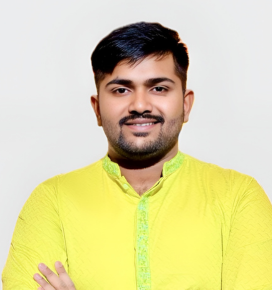
Dr. Mayur Bhimrao Kale is a dedicated researcher and academician in the field of neuropharmacology and pharmaceutical sciences, with a strong focus on understanding the molecular and behavioral underpinnings of neurological and psychiatric disorders. His research expertise lies in neurobehavioral paradigms, mitochondrial dysfunction, neurodevelopmental disorders, and the therapeutic potential of endogenous amines and phytochemicals. He has contributed significantly to advancing knowledge on the role of agmatine, gut–brain axis interactions, and neuroinflammation in the pathophysiology of neurodegenerative and neurodevelopmental conditions. His recent works also extend to exploring biomarkers of aging, sound-based Vedic interventions, and the impact of environmental stressors such as electromagnetic fields on brain development and function. Dr. Kale has authored and co-authored several peer-reviewed articles in reputed international journals, along with book chapters highlighting translational aspects of neuroscience research. He is actively involved in mentoring young researchers and students, fostering innovation through participation in initiatives like the Smart India Hackathon and incubation-driven healthcare product development. In addition to his academic contributions, Dr. Kale is engaged in interdisciplinary collaborations that bridge pharmacology, behavioral neuroscience, and precision medicine. His long-term vision is to contribute toward developing novel therapeutic strategies and non-invasive interventions that can alleviate the burden of neurological disorders and improve quality of life.
Editor-Member View Profile
Professor
Department of Informatics
Ionian University
Greece
Professor Panagiotis Vlamos is a Full Professor at the Ionian University, Greece, where he serves as Chairman of the University Research Center and Director of the Bioinformatics and Human Electrophysiology Laboratory (BiHELab). He is an internationally recognized researcher in bioinformatics, mathematical modeling, and computational neuroscience, with a particular focus on neurodegenerative diseases and personalized medicine. Professor Vlamos has authored more than 200 scientific papers in peer-reviewed journals and conference proceedings, as well as 16 educational books. His research aims to bridge the translational gap from data to models and from models to drug discovery and personalized therapy, developing quantitative deterministic approaches to biological and clinical problems using high-performance computing and advanced mathematical frameworks.