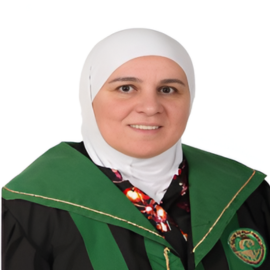
Editor-in-Chief
Professor
Faculty of Pharmacy
Al-Zaytoonah University of Jordan
Jordan

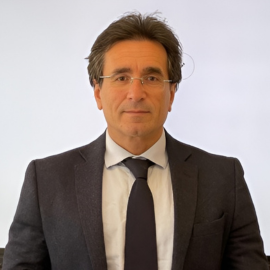
Editor-Member
Professor
Department of Physical Sciences and Earth Sciences
University of Messina, Italy
Italy



Editor-Member
Himachal Pradesh Agricultural University (H.P.A. University)
Canada
Editor-Member
Former Assistant Professor
Medical School
Chonnam National University Medical School
South Korea
Editor-Member
Postdoctoral Research Fellow
College of Food Science and Engineering
Shandong Agricultural University
China

Editor-Member
Associate Professor of Pharmaceutics Head of Pharmacy Department
Faculty of Pharmacy
Philadelphia University
Jordan
Editor-Member
Director, Medicale III Department
Dermatology Discipline, Faculty of Medicine
Grigore T. Popa University of Medicine and Pharmacy Iasi, Romania
Romania
Journal of Cosmetic Research and Trichology is an international, peer-reviewed, open-access journal committed to publishing high-quality scientific research in the fields of cosmetic science, trichology, dermatology, and aesthetic medicine. The journal serves as a global platform for researchers, clinicians, cosmetologists, dermatologists, trichologists, and healthcare professionals to share innovative findings related to skin, hair, scalp health, and cosmetic technologies.
The journal focuses on both basic and applied research involving cosmetic formulations, cosmetic chemistry, hair biology, scalp disorders, aesthetic procedures, and dermatological advancements. It encourages the publication of original research, review articles, clinical studies, case reports, and emerging technologies that contribute to the development of safe, effective, and scientifically validated cosmetic and trichological practices.
Journal of Cosmetic Research and Trichology aims to strengthen interdisciplinary collaboration between cosmetic science, dermatology, biotechnology, and hair research by promoting evidence-based scientific studies and modern therapeutic approaches. The journal highlights advancements in cosmetic ingredients, formulation technologies, anti-aging therapies, hair growth science, scalp care innovations, and aesthetic treatment methodologies that improve both clinical outcomes and cosmetic applications.
The journal also emphasizes emerging trends including cosmeceuticals, herbal and natural formulations, nanotechnology, cosmetic biotechnology, regenerative therapies, and sustainable cosmetic solutions. By supporting innovative and ethical scientific research, Journal of Cosmetic Research and Trichology contributes to the global advancement of cosmetic and trichological sciences for academic, clinical, and industrial applications.
Authors may submit their manuscripts through the online Submit Manuscript system or by sending their manuscript as an e-mail attachment to the Editorial Office at editorialoffice@confseries.net.
The Journal of Cosmetic Research and Trichology (JCRT) is dedicated to advancing scientific research and clinical innovation in cosmetic science, trichology, dermatology, and aesthetic medicine. The journal publishes original research articles, review articles, case studies, short communications, and clinical investigations related to skin, hair, scalp health, cosmetic formulations, and aesthetic therapies.
JCRT focuses on emerging developments in cosmetic technology, hair biology, scalp disorders, cosmeceuticals, dermatological research, and advanced therapeutic approaches with the objective of promoting evidence-based practices and innovative solutions in cosmetic and trichological sciences.
The journal welcomes interdisciplinary contributions that integrate cosmetic chemistry, dermatology, biotechnology, pharmaceutical sciences, and aesthetic medicine to address current challenges and advancements in skin and hair care research.
Areas of interest include:
| Journal Title | Journal of Cosmetic Research and Trichology |
|---|---|
| ISSN | Updated Soon |
| Frequency | Annual (One issue per year) |
| Starting Year | 0 |
| Publication Format | Online |
| Language | English |
| Publisher | Confseries Publishing |
| Editor-in-Chief | Prof Rania Hamed |
| Subject | Biological Sciences |
| support@confseries.com | |
| Mobile Number | +91 9666 822 625 |
| Website | https://www.confseries.com/journals/cosmetrich |
| Publisher Address | #58-15-30/3, Shantinagar, NAD-X-Road, Visakhapatnam, Andhra Pradesh - 530009, India. |
The journal follows a structured editorial and peer-review process designed to ensure academic quality, ethical integrity, and a transparent publication process. Each manuscript progresses through clearly defined stages, as illustrated in the workflow below.
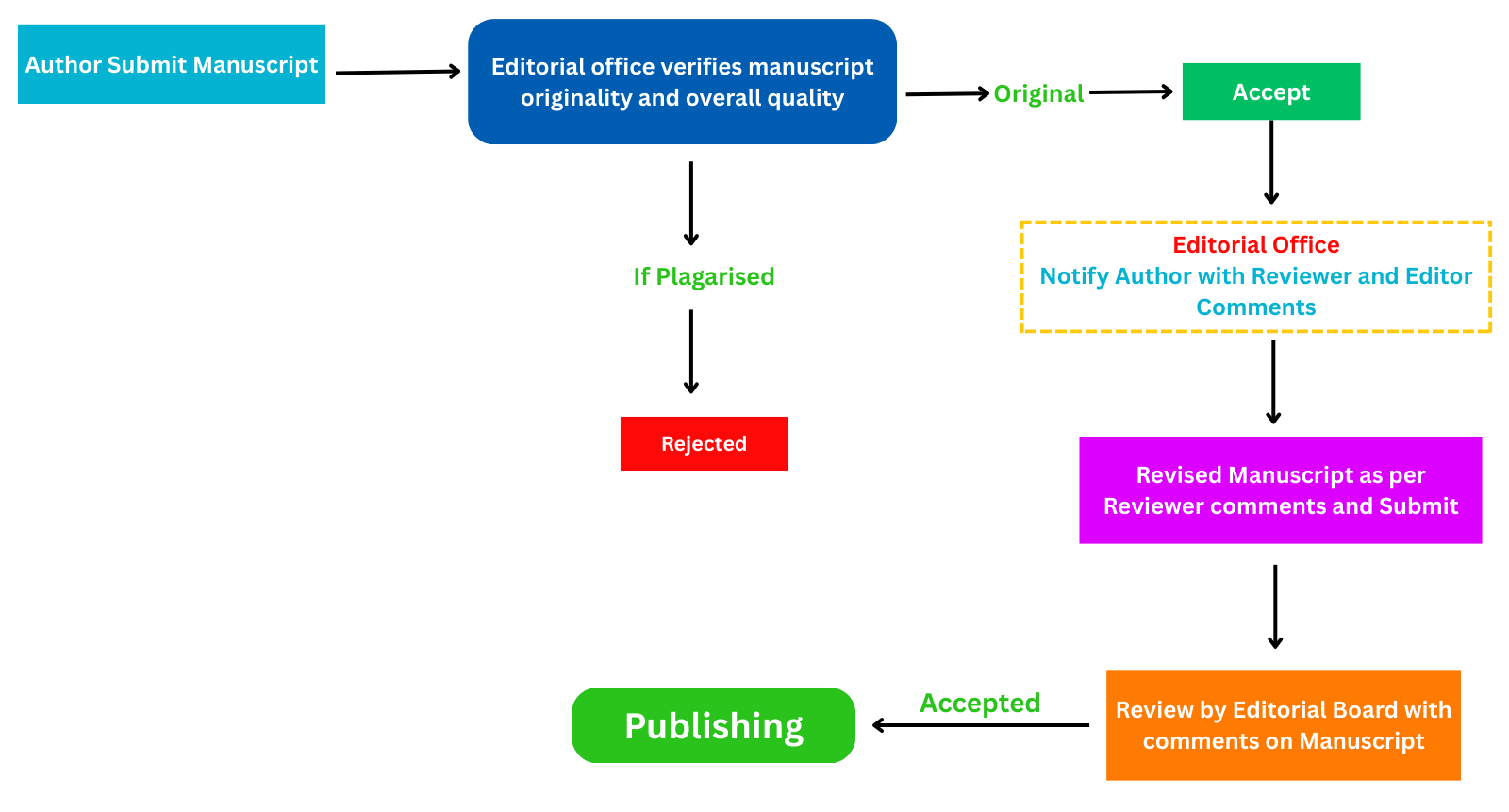
Manuscript Submission
Authors submit their manuscripts through the Confseries submission platform. All submissions must
comply with the journal's scope, author instructions, and ethical standards.
Editorial Office Initial Check
Each new submission undergoes an initial assessment by the editorial office to confirm:
Manuscripts identified as containing substantial plagiarism, duplicate submission, or serious ethical concerns are rejected during the initial editorial assessment without external peer review.
Manuscripts meeting the journal's initial editorial requirements proceed to the peer-review stage.
After passing the initial screening:
Reviewer Assessment
Reviewers critically evaluate each manuscript based on:
Editorial Decision
Based on reviewer feedback and editorial evaluation, one of the following decisions is issued:
Revision and Re-evaluation
For manuscripts requiring revision:
Acceptance and Publication
Manuscripts accepted for publication proceed to the production phase, which includes:
Ethical and Editorial Integrity
The journal's peer-review workflow reflects a transparent, ethical, and structured editorial process, ensuring that every manuscript is evaluated fairly, objectively, and on its scientific merit before publication.