Gut dysbiosis, an imbalance in the microbial community of the intestines, has emerged as a significant contributor to metabolic syndrome, a cluster of conditions including obesity, insulin resistance, high blood pressure, and abnormal cholesterol levels. Recent studies indicate that gut dysbiosis can lead to increased inflammation, altered metabolism, and disruptions in the regulation of glucose and lipid levels, thereby promoting the development of metabolic syndrome. Intervention strategies to correct gut dysbiosis and mitigate its impact on metabolic syndrome are gaining attention. Probiotics, prebiotics, dietary changes, and fecal microbiota transplantation (FMT) are among the methods being explored. Probiotics, beneficial bacteria that can be consumed through supplements or fermented foods, help restore a healthy gut microbiome balance. Prebiotics, dietary fibers that feed beneficial gut bacteria, also play a crucial role in maintaining gut health. Additionally, adopting a diet rich in fruits, vegetables, whole grains, and lean proteins can support a healthy microbiome. FMT, a procedure where fecal matter from a healthy donor is transplanted into the gut of a person with dysbiosis, shows promise in restoring microbial balance and improving metabolic outcomes. If it is checked the initial level of Gut dysbiosis and major causes the metabolic syndrome can be prevented. Majority of all life style diseases like diabetes, cardiovascular diseases, Histamine intolerance, thyroid diseases and autoimmune diseases are due to Gut dysbiosis. So, if it is corrected metabolic syndrome may be prevented in the initial stages. These interventions, by targeting gut health, offer potential pathways to alleviate and prevent metabolic syndrome, highlighting the crucial link between gut microbiota and overall metabolic health and personalized medicine.
Keywords: Gut dysbiosis, metabolic syndrome, probiotics, prebiotics, dietary changes, fecal microbiota transplantation (FMT).
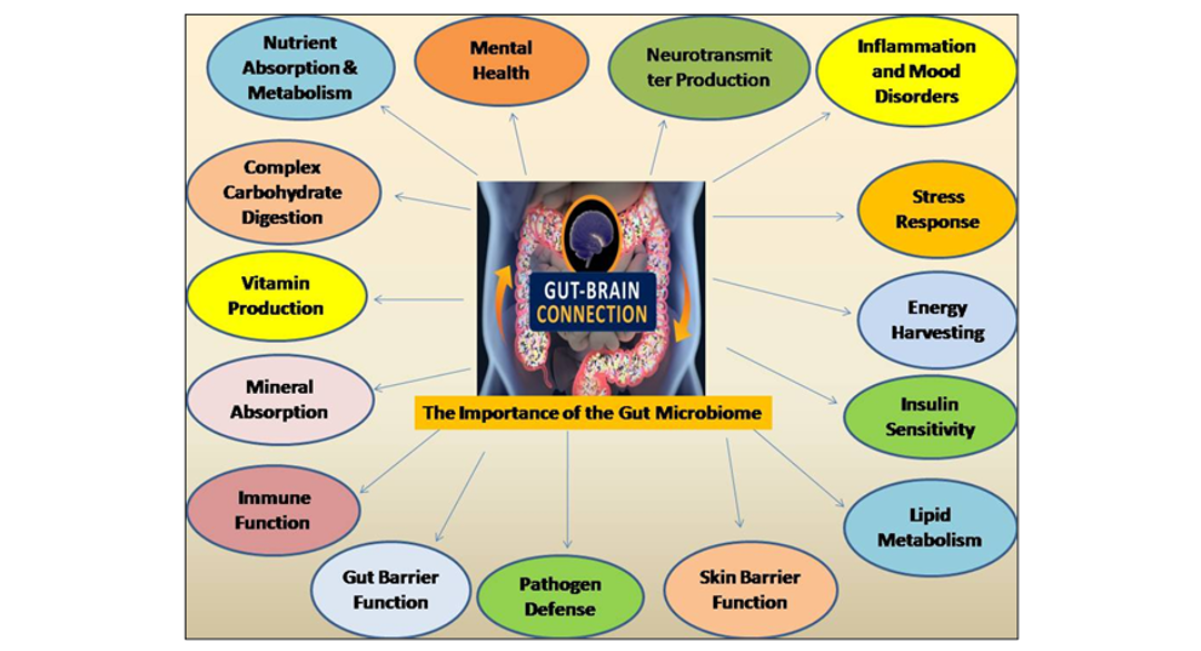
Gut-Brain Connection; A key player in Metabolism and Diseases
It is becoming more well acknowledged that one of the main causes of metabolic syndrome is gut dysbiosis, which is an imbalance in the microbial community of our intestines. A collection of disorders known as metabolic syndrome raise the risk of heart disease, stroke, and type 2 diabetes [1-2]. These disorders include abnormal cholesterol levels, high blood pressure, high blood sugar, and excess body fat around the waist. According to recent studies, gut dysbiosis can have a major effect on our health. Metabolic syndrome can arise from an unhealthy gut microbiome that interferes with the body's capacity to control fat and glucose levels and causes inflammation. This emphasises how important gut flora are for preserving general metabolic health. A number of therapies are being investigated to address gut dysbiosis and its impact on metabolic syndrome. A healthy equilibrium in the gut can be restored with the use of probiotics, which are good bacteria that can be found in fermented foods and supplements. A healthy microbiome is also supported by prebiotics, which are fibres that nourish the beneficial bacteria in our intestines. Changing one's diet to include more fruits, vegetables, healthy grains, and lean proteins can also improve gut health. Faecal microbiota transplantation (FMT), which entails inserting fecal matter from a healthy donor into the gut of a person with dysbiosis, is another potential option. A balanced microbial ecology in the intestines may be restored as a result. We can target the underlying cause of metabolic syndrome and lower its prevalence by concentrating on improving gut health through these therapies, which will improve overall health outcomes [3-5].
Definition and Overview
An imbalance in the microbial community in our intestines is known as gut dysbiosis, and it can have detrimental effects on our health. The term "gut microbiome" refers to the trillions of bacteria, viruses, fungi, and other microorganisms that live in the human gut. These microbes are essential for immunological response, digestion, and general health [6-7]. A group of disorders known as metabolic syndrome raise the risk of type 2 diabetes, heart disease, and stroke. These disorders include abnormal cholesterol levels, high blood pressure, high blood sugar, and excess body fat around the waist. Serious health issues are more likely to arise when these diseases coexist (Figure 1) [8-10].
The Relationship between Gut and Metabolic Health
Maintaining metabolic health depends on the gut microbiota. Digestion, blood sugar regulation, fat storage, and immune system modulation are all facilitated by a healthy gut flora. These mechanisms are upset by an imbalance called gut dysbiosis, which can result in inflammation, insulin resistance, and other metabolic problems [11-12].
The trillions of microorganisms that live in the human digestive tract, including bacteria, viruses, fungus, and other microbes, make up the complex and dynamic gut microbiome. This enormous microbial community is essential to preserving human health and wellbeing [13]. It affects a number of physiological functions, including immunological response, emotional well-being, digestion, and nutrient absorption.
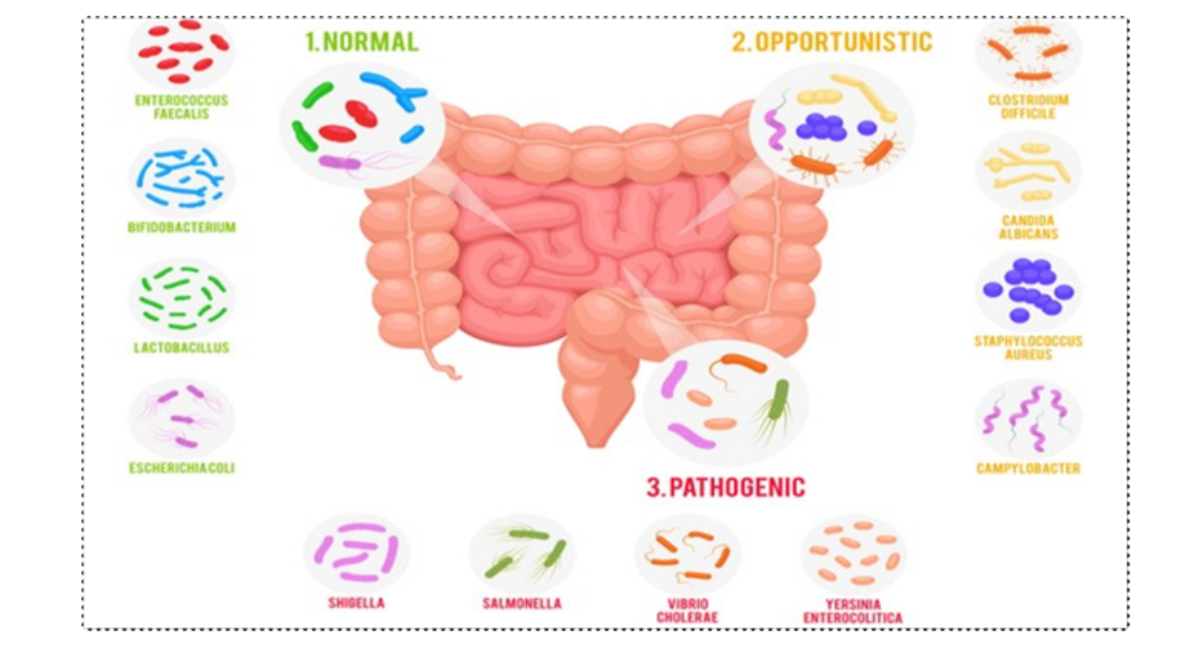
Figure 1: Gut Microbiome in Normal, Opportunistic and Pathogenic State [14]
The Composition and Diversity of the Gut Microbiome
Every person has a different microbial makeup, making the gut microbiome a very diverse environment. Maintaining a balanced and healthy gut environment depends on this diversity. Firmicutes, Bacteroidetes, Actinobacteria, and Proteobacteria are the main phyla of bacteria found in the human gut. A number of variables, including nutrition, genetics, environment, and lifestyle, can affect the relative abundance of these groups [15-18]. Resilience and stability are linked to a diverse gut microbiota, which enables the system to withstand disruptions and adjust to changes. Numerous processes, such as the synthesis of short-chain fatty acids (SCFAs), the metabolism of complex carbohydrates, and immune system regulation, depend on this diversity [19].
Major impact of Gut Microbiome in metabolic Health
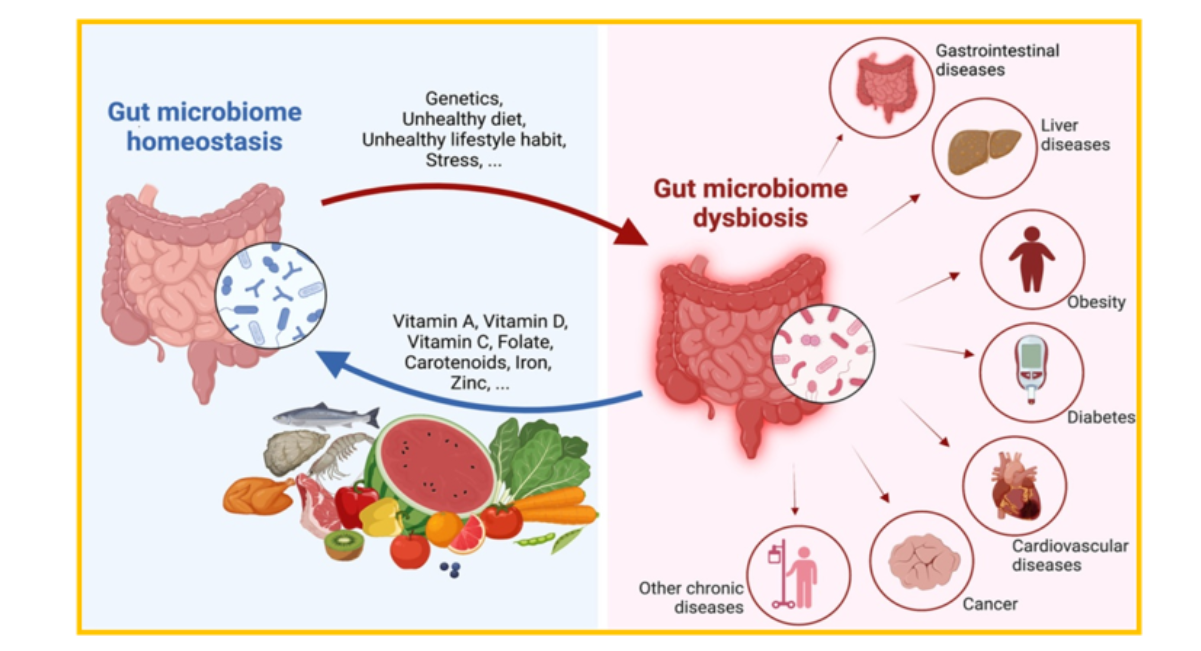
Figure 2: Gut Microbime, dysbiosis and Metabolic diseases [25]
Through interprets including energy harvest, inflammation, leaky gut, toxic metabolites, and epigenetic modifications, gut dysbiosis is closely associated with obesity, type 2 diabetes, metabolic syndrome, and related disorders, according to numerous research. Changing the microbiota can enhance metabolic indicators, suggesting a contributing causative role, according to data from animal and early human interventions. However, dysbiosis in humans is best understood as both a cause and an effect of metabolic disease rather than as a single, established root cause. [Table 1 and 2].
Table 1: Important connections between metabolic consequences and dysbiosis.
|
Findings and Outcome |
Summary |
Citation |
|
Changes in the microbiota in glucose disorders |
Compared to their metabolically healthy counterparts, older persons with prediabetes/T2D have reduced Bacteroidetes and more Erysipelotrichaceae and Lachnospiraceae. |
[50] |
|
Common dysbiosis in obesity, T2D and NAFLD |
Decreased diversity and distinct patterns of "unhealthy" versus "probiotic" taxa in a number of metabolic illnesses |
|
|
Gut dysbiosis & Metabolic Syndrome risk (diet-based index) |
Increased dietary index favoring microbiota leads to decreased Cardiovascular mortality and Metabolic Syndrome prevalence. |
|
|
Dangerous microbiological metabolites |
TMAO, LPS, indoxyl sulfate, p‑cresol sulfate promotes low‑grade inflammation and Metabolic Syndrome characteristics |
|
|
Endotoxemia and Leaky gut |
Dysbiosis leads to endotoxin translocation (also known as "intestinal endotoxemia"), barrier degradation, inflammation, and Metabolic Syndrome. |
[60] |
|
Intervention evidence and Transfer |
Fecal microbiota transfer or microbiota‑targeted therapies can improve insulin sensitivity, weight, lipids in animals and some humans |
Table 2: Scientific evidence of dysbiosis and Metabolic Health
|
Assert |
Evidence and Strength |
Rationalization |
References |
|
Dysbiosis is strongly associated with metabolic disorders |
Strong |
Many human cohorts, systematic reviews and multi‑omics studies show consistent associations |
|
|
Dysbiosis can contribute causally to metabolic dysfunction |
Moderate |
Animal transfers, human FMT and probiotics/prebiotics improve metabolic markers, but human causality still debated |
[67] |
|
Correcting dysbiosis reliably treats Metabolic Syndrome in humans |
Moderate |
Meta‑analyses show modest but significant improvements; effects vary by intervention, duration, population |
[68] |
The regulation of metabolic processes, such as the metabolism of lipids and glucose, is largely dependent on the gut microbiota. Metabolic illnesses like obesity, type 2 diabetes, and metabolic syndrome are linked to dysbiosis, or an imbalance in the gut microbiome.
Beyond metabolic problems, a number of chronic conditions, such as inflammatory bowel disease (IBD), irritable bowel syndrome (IBS), cardiovascular disease, and autoimmune illnesses, are associated with an imbalance in the gut microbiota. An imbalance between good and bad bacteria in the gut leads to gut dysbiosis. Numerous variables, such as poor food, stress, sleep deprivation, abuse of antibiotics, and certain medical problems, can cause this imbalance. The variety and well-being of gut bacteria can be diminished by a diet heavy in processed foods and low in fibre. Digestive problems like bloating, diarrhoea, constipation, and abdominal pain are common signs of gut dysbiosis, however they can vary greatly. In addition to its effects on the digestive system, gut dysbiosis can lead to mental health issues like anxiety and depression as well as skin disorders like dermatitis.
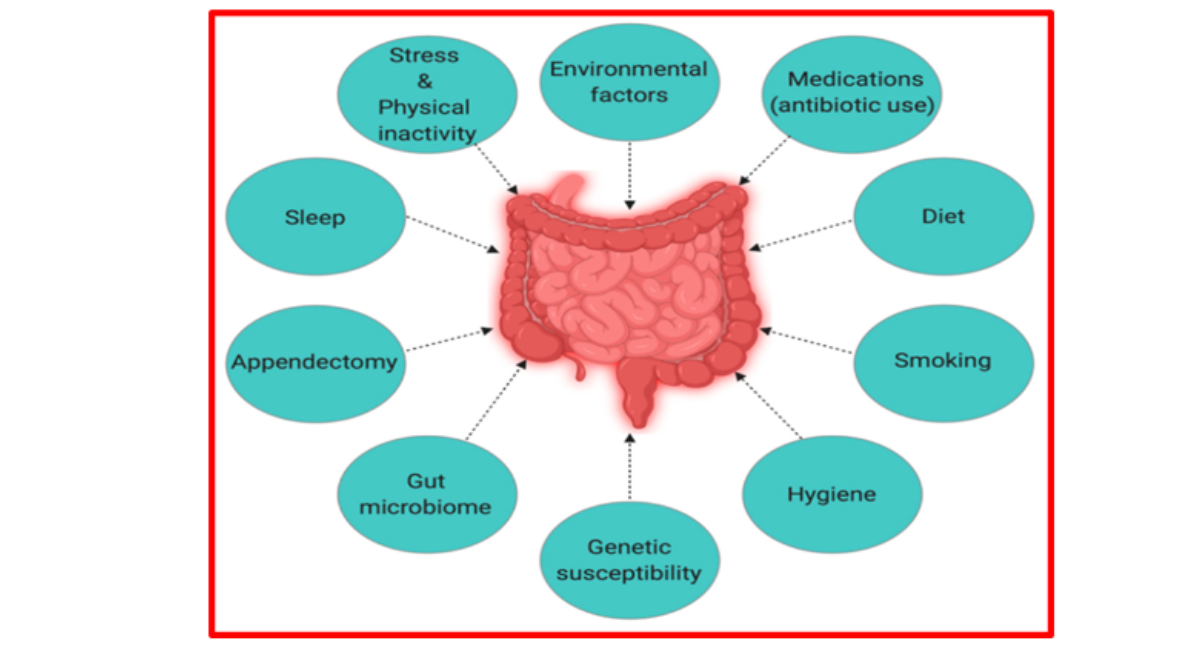
Figure 3: The interplay of factors causing inflammatory bowel disease (IBD) [81]
Promoting a healthy gut microbiome involves a combination of dietary, lifestyle, and environmental factors. Here are some key strategies:
When at least three of the following risk factors are present, metabolic syndrome is diagnosed: Together, they result in low HDL cholesterol, high triglyceride levels, elevated waist circumference (abdominal obesity), Elevated blood pressure and elevated fasting blood glucose levels [84-88].
In addition to laboratory testing to determine the makeup of gut bacteria, the diagnosis of gut dysbiosis usually entails a review of symptoms and medical history. To find microbial imbalances and direct treatment, stool testing is frequently utilized. Since there are no particular tests to identify gut dysbiosis, doctors may use pathology and screening testing to rule out other structural illnesses [89-91].
Probiotics: Types, Sources, and Benefits: When taken in sufficient quantities, probiotics live bacteria offer health advantages. Supplements and fermented foods including yoghurt, kefir, sauerkraut, and kimchi contain them. Probiotics boost metabolic health, lower inflammation, and re-establish a balanced population of gut flora (Figure 4).
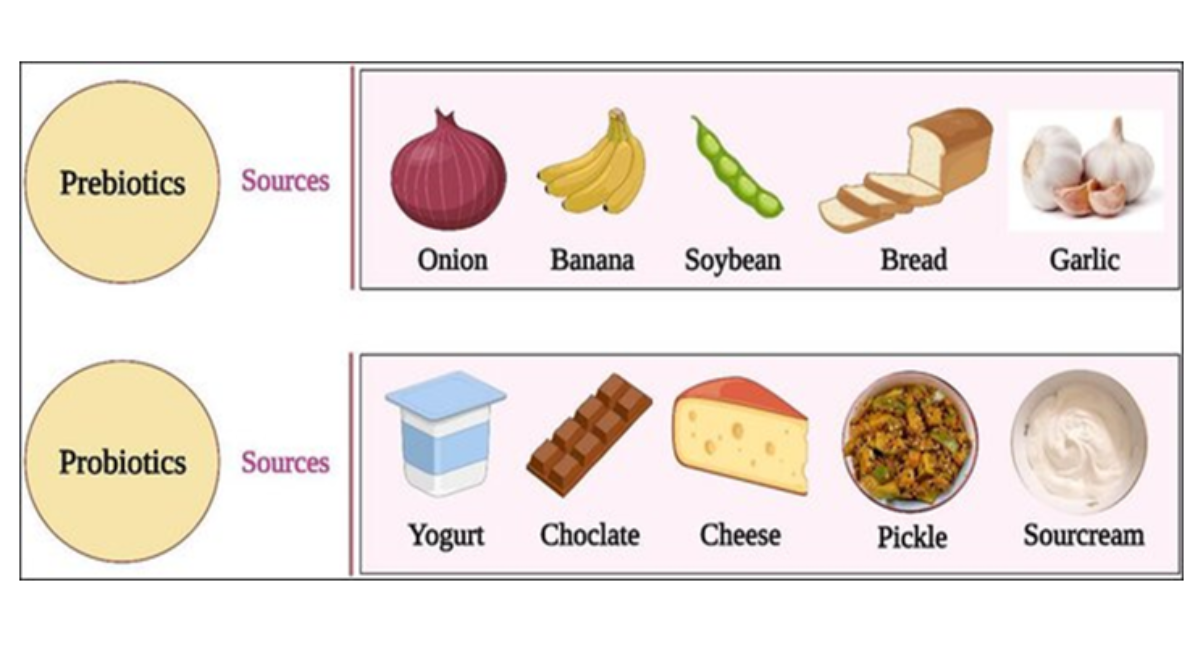
Figure 4: Source of pre and Probiotics [92]
The study of the gut microbiome and how it affects metabolic health is developing quickly. Future directions include the investigation of novel microbial medicines and the creation of customized treatments based on each person's own gut microbiota. The advancement of personalized medicine is closely linked to the growing number of illnesses linked to gut dysbiosis. As the relationship between the gut microbiome and diseases is further investigated, research hotspots in health issues based on the regulation and intervention of the gut microbiome can be predicted from a variety of multi-dimensional perspectives, including the general overview, in-depth analysis by category and field, and relationship analysis of keywords. Gut dysbiosis is known to have a major impact on a number of diseases, including metabolic syndrome, cardiovascular disease, inflammatory bowel disease, cancer, and neurological disorders. These illnesses pose a major threat to people's health. In the era of precision medicine, treatments or interventions can be customized for each patient based on their particular illness characteristics.
Dysbiosis promotes obesity, insulin resistance, dyslipidaemia, hypertension, and fatty liver via increasing reactive oxygen species, inflammation, intestinal permeability, and epigenetic alterations. Changes in energy extraction, metabolism of carbohydrates, disturbance of the intestinal barrier, immunological activation, metabolism of bile acids, and microbial metabolites (particularly short-chain fatty acids) are important processes. Type 2 diabetes, metabolic syndrome, and obesity are frequently linked to decreased microbial diversity and compositional changes. Many relationships are correlative, and processes and causality are still poorly understood. Inconsistent results are caused by train-specific effects, varying dosages, durations, endpoints, and mixed animal/human data. Significant variations in the microbiome between individuals and contexts make standardization and generalization difficult. Precision and personalized methods: combining genetics, metabolomics, and machine learning with microbiome data to customize therapies. Deeper analysis of host-microbe pathways, such as microbial carbohydrate metabolism, particular metabolites, and epigenetic impacts, is possible through mechanistic and multi-omics study. Determining strong biomarkers and essential taxa/functions for metabolic health and recovery from dysbiosis is the definition of resilience and "healthy" microbiomes. Extended, superior clinical trials: standardized, independently financed Randomized Controlled Trials (RCTs) with sufficient follow-up to evaluate the safety and long-term metabolic benefits of microbiome-targeted treatments. Gut dysbiosis is not merely a bystander to metabolic illnesses; it is a changeable factor. Dietary patterns, pre/pro/syn/postbiotics, and FMT are examples of microbiome-targeted therapies that can supplement lifestyle and pharmaceutical therapy. Probiotics/synbiotics and dietary fiber-rich interventions have the best current evidence for improving glucose and lipid profiles. Personalized strategies, reliable biomarkers, and integration into multidisciplinary metabolic illness treatment frameworks will probably be necessary for translation into routine care.
The development of metabolic syndrome, a group of disorders that raise the risk of heart disease, diabetes, and other health issues, is significantly influenced by gut dysbiosis, an imbalance in the gut microbiome. Maintaining metabolic health requires a healthy gut microbiota since it is vital for immunological response, energy metabolism, and nutrition absorption. Dietary modifications, such as consuming more fibre and probiotic-rich fermented foods, as well as avoiding overuse of antibiotics, are interventions to treat gut dysbiosis. A balanced gut microbiome is also influenced by lifestyle changes like consistent exercise, stress reduction, and enough sleep. We can lower the incidence of metabolic syndrome and enhance general health by realizing the significance of the gut microbiota and taking action to support its health. Research in this area will continue to offer insightful information and fresh approaches to controlling and preventing metabolic syndrome through gut health.
It is hereby acknowledged that all authors have accepted responsibility for the manuscript's content and consented to its submission. They have meticulously reviewed all results and unanimously approved the final version of the manuscript.
Not applicable
The author declares no conflicts of interest.


 Download PDF