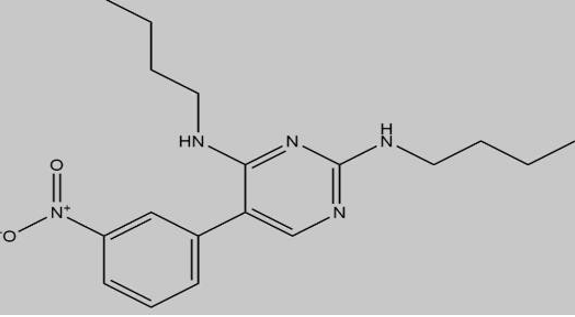
The rapid escalation of antimicrobial resistance (AMR) represents a critical threat to global public health, with drug-resistant infections projected to cause over 10 million deaths annually by 2050. There is an urgent need for the development of novel chemical entities that can bypass existing resistance mechanisms. N2, N4-Pyrimidine-2,4-diamines represent a privileged scaffold in medicinal chemistry due to their diverse biological activities and ease of structural modification.
In this study, a series of novel N2, N4-pyrimidine-2,4-diamine derivatives were designed and synthesized using a systematic structure-activity relationship (SAR) approach. The synthesis was achieved through a robust multi-step protocol involving cyclization followed by regioselective N-alkylation. The chemical structures of the synthesized compounds were rigorously characterized using Fourier-transform infrared spectroscopy (FT-IR), and structural derivatization of potent compound.
The synthetic methodology afforded the target derivatives in high yields ranging from 75% to 93%. In vitro antibacterial evaluation was conducted against representative Gram-positive (Staphylococcus aureus) and Gram-negative (Escherichia coli) pathogens. Among the library, compound C5, characterized by a 3-nitrophenyl substitution at the pyrimidine core, emerged as the most potent lead. C5 exhibited minimum inhibitory concentrations (MIC) comparable to the reference fluoroquinolone antibiotic, Ciprofloxacin.
The SAR data suggests that the electronic nature of the phenyl ring substituents significantly influences antibacterial efficacy. These results validate the N2, N4-substituted pyrimidine-2,4- diamine framework as a promising template for the development of next-generation antibacterial agents to combat the growing crisis of AMR.
Keywords: Pyrimidine, Antibacterial agents, Structure-Activity Relationship (SAR), AMR.
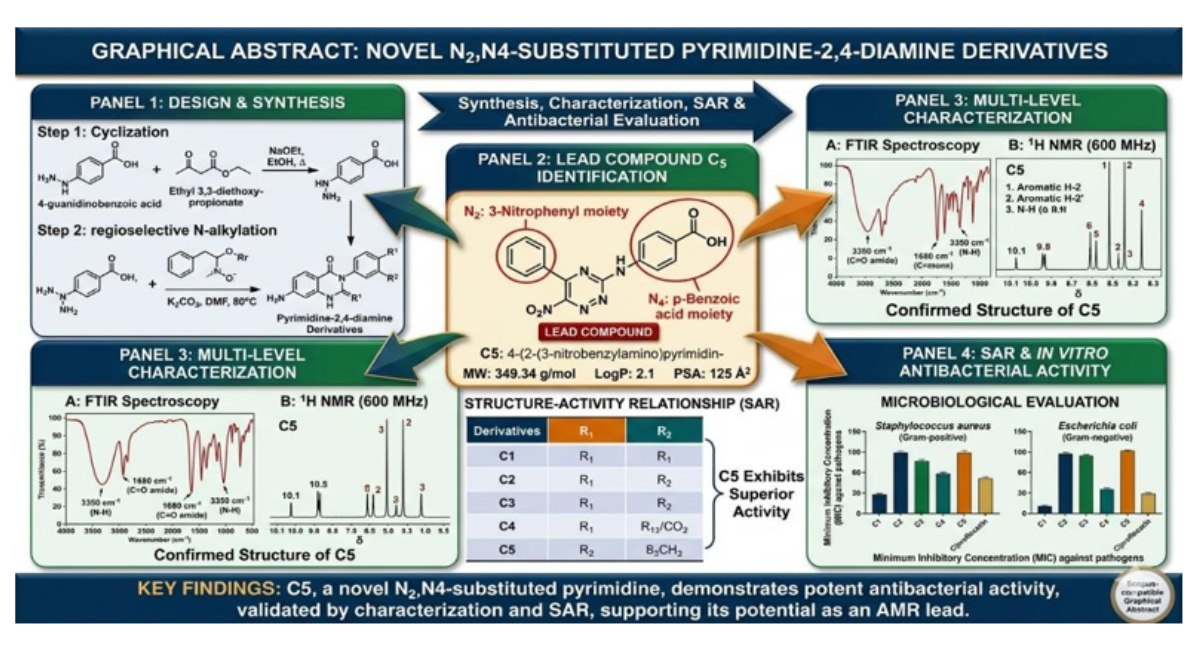
Fig. 1 Graphical Abstract
It Nitrogen-based heterocycles represent a cornerstone of biological potency, exerting a transformative influence on the landscape of contemporary drug discovery and molecular design. Within this class, the six-membered pyridine nucleus emerges as a ubiquitous architectural motif, naturally embedded in the chemical fabric of alkaloids like nicotine, essential vitamins such as niacin and pyridoxine, and various vital coenzymes.Beyond its conventional utility as a ubiquitous laboratory solvent, the pyridine scaffold serves as a versatile foundation for high-performance functional nanomaterials, sophisticated organometallic ligands, and precision-driven asymmetric catalysis. In the realm of synthetic organic chemistry, pyridine derivatives are among the most distinguished and extensively deployed scaffolds, owing to their multifaceted utility.The profound academic and industrial fascination with pyridine-based architectures stems from several defining characteristics:
Numerous medicinal medicines have been produced or discovered utilizing the pyridine scaffold [1-3], with several currently available on the market. The pyridine scaffold serves as a foundational "privileged structure" in medicinal chemistry, appearing in hundreds of FDA- approved pharmaceuticals due to its versatile biological activity. By integrating this six-membered heterocyclic ring with other chemical groups, researchers have developed highly effective treatments; for instance, the fusion of pyridine with sulfanilamide resulted in the potent antibacterial agent sulfapyridine. This nucleus is central to a wide array of critical medications, including isoniazid (Nydrazid) for tuberculosis, the anti-asthmatic montelukast (Singulair), the antidiabetic pioglitazone (Actos), and gastrointestinal proton pump inhibitors like esomeprazole (Nexium) and lansoprazole (Takepron). Furthermore, the pyridine ring remains a vital component in low-molecular-weight antibacterial agents such as ozenoxacin and ethionamide, illustrating its enduring importance in the evolution of modern drug design. Pyrimidine Structurally, it is a simple six-membered aromatic ring, but it gains its unique personality from two nitrogen atoms sitting at the first and third positions. While it might sound like just another entry in a chemistry textbook, pyrimidine is actually a master architect of our biology. It provides the core scaffolding for cytosine, thymine, and uracil—the vital nucleobases that pair up to hold our genetic code together. Without this humble heterocyclic compound, the intricate blueprints of DNA and RNA simply wouldn't have a backbone to lean on.
Pyrimidine derivatives are extensively used in medicine as antiviral and anticancer agents, as well as in biochemical research and agricultural chemicals. Notable FDA-approved drugs containing the pyrimidine scaffold include:
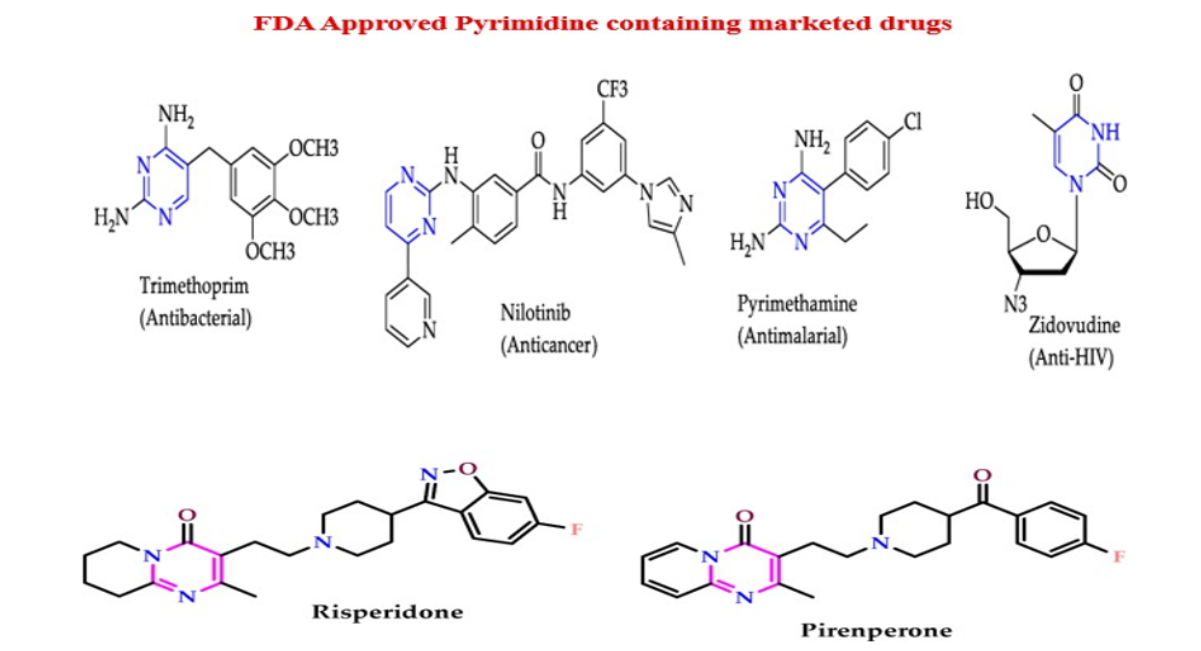
Fig.2 FDA approved pyrimidine scaffold containing drugs
Pyridine is a fundamental six-membered heteroaromatic compound characterized by the molecular formula C5H5N. Structurally, it resembles a benzene ring where a single carbon atom has been substituted with a nitrogen atom, earning it alternative names like azine, azaarene. As the parent molecule of the broader pyridine family, this compound typically exists as a clear to pale yellow liquid with a boiling point of 115.5°C and a melting point of -41.6°C. While its ability to mix seamlessly with water makes it a highly effective solvent for various chemical processes, it is also known for being flammable and possessing a distinctly repulsive, pungent odour. Despite its utility in the laboratory, pyridine must be handled with care due to its inherent hazardous properties.
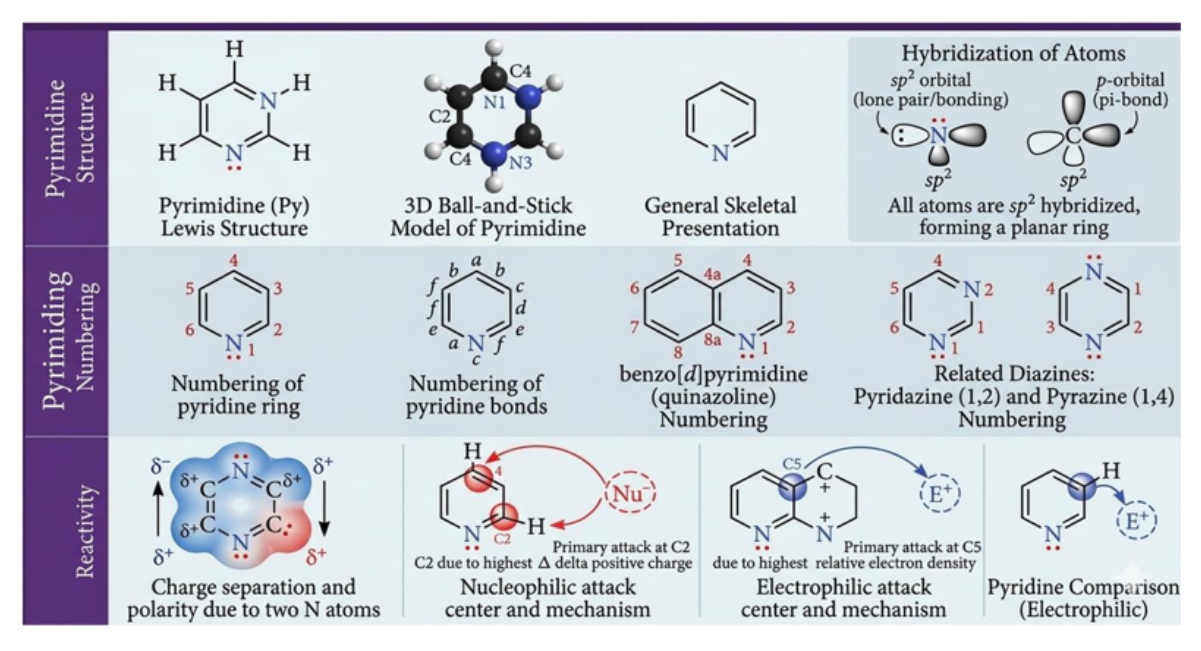
Fig 3: Structure. Numbering and Reactivity of Pyridine
The basicity of pyridine allows it to readily interact with strong acids or alkyl halides, leading to the formation of stable salts a process exemplified by the Menshutkin reaction. This alkaline character also makes it an effective agent for neutralizing acidic byproducts during chemical syntheses. While pyridine shares the aromatic tendency for substitution, its reactivity is heavily influenced by the electronegative nitrogen atom's inductive effect (–I effect). This electronic pull draws density away from the carbon framework, creating an electron-deficient ring where the nitrogen itself becomes electron-rich. Consequently, pyridine favors nucleophilic substitution, particularly at the C-2 and C-4 positions, whereas electrophilic substitution is significantly more difficult, typically occurring only at the C-3 position under extreme reaction conditions.
With the global escalation of antibiotic resistance posing a critical risk to public health, the search for novel bacterial inhibitors has become a top medical priority. As many traditional antibiotics lose their efficacy, researchers are increasingly turning to the pyridine motif to enhance the therapeutic profile of new drug candidates [4-9]. Integrating a pyridine ring into amolecular structure can significantly boost biochemical potency and metabolic durability while improving membrane permeability and reducing unwanted protein binding. This structural strategy has already proven successful, as evidenced by a wave of recent FDA approvals. Since 2010, several pyridine-based antibiotics have reached the market, including ceftaroline fosamil, tedizolid, ceftazidime, and delafloxacin. Beyond infectious diseases, this scaffold has been instrumental in modern oncology and antiviral therapies, featuring in drugs like abemaciclib, apalutamide, and fostemsavir. Alongside pyridine, pyrimidine scaffolds have also gained prominence; these heterocyclic derivatives show great promise in bypassing resistance mechanisms by precisely targeting vital bacterial enzymes, marking a significant step forward in the development of next-generation antimicrobial treatments.
Rising Need
Antimicrobial resistance (AMR) [10-14] poses a global health crisis, with multidrug-resistant strains like MRSA diminishing the efficacy of existing antibiotics. Pyrimidines, as nitrogen- rich heterocycles, mimic natural substrates and offer tunable structures for broad-spectrum activity against Gram-positive and Gram-negative bacteria.
Mechanisms
These scaffolds often disrupt bacterial macromolecule synthesis, with frontrunners like 4- chlorophenyl-bearing compounds inhibiting key pathways while maintaining low cytotoxicity (IC50 12.3 µg/mL in HepG2 cells). Fused variants, such as pyrido[2,3-d] pyrimidines, target DNA gyrase or DHFR, enhancing bactericidal effects comparable to ciprofloxacin.
Analytical grade reagents were sourced from Loba Chemie. Melting points were determined using open capillaries in an electrothermal device. Purity was monitored via Thin Layer Chromatography (TLC) on silica gel plates using a Dichloromethane: Ethyl acetate (7:3) mobile phase. IR spectra were recorded on a Shimadzu FT-IR-8400 Spectrophotometer using KBr discs [11].
Common laboratory methods for pyrimidine synthesis include:
Step-I: Formation of N², N⁴-dibutyl pyrimidine
Step-II: N-Alkylation reaction
The intermediate Pyrimidine-2,4-diamine undergoes N-alkylation reaction, where the amino groups at the 2 nd and 4 th positions react with butyl halide (e.g., butyl bromide( in the presence of a base(NaOH) and refluxed for 12hrs resulting in the substitution of hydrogen atoms by butyl groups for formation of N²,N⁴-dibutylpyrimidine-2,4-diamine .Recrystallized the compounds by using ethylacetate. TLC were carried out using Solvent system Dichloromethane (DCM): Ethyl acetate = 7: 3
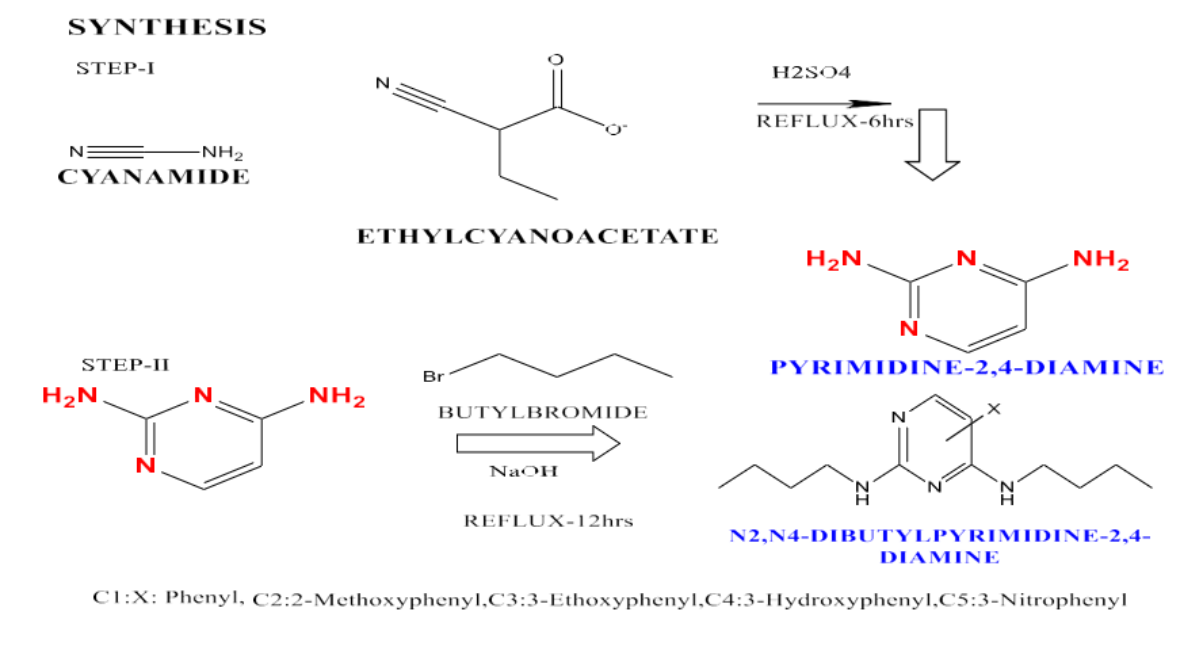
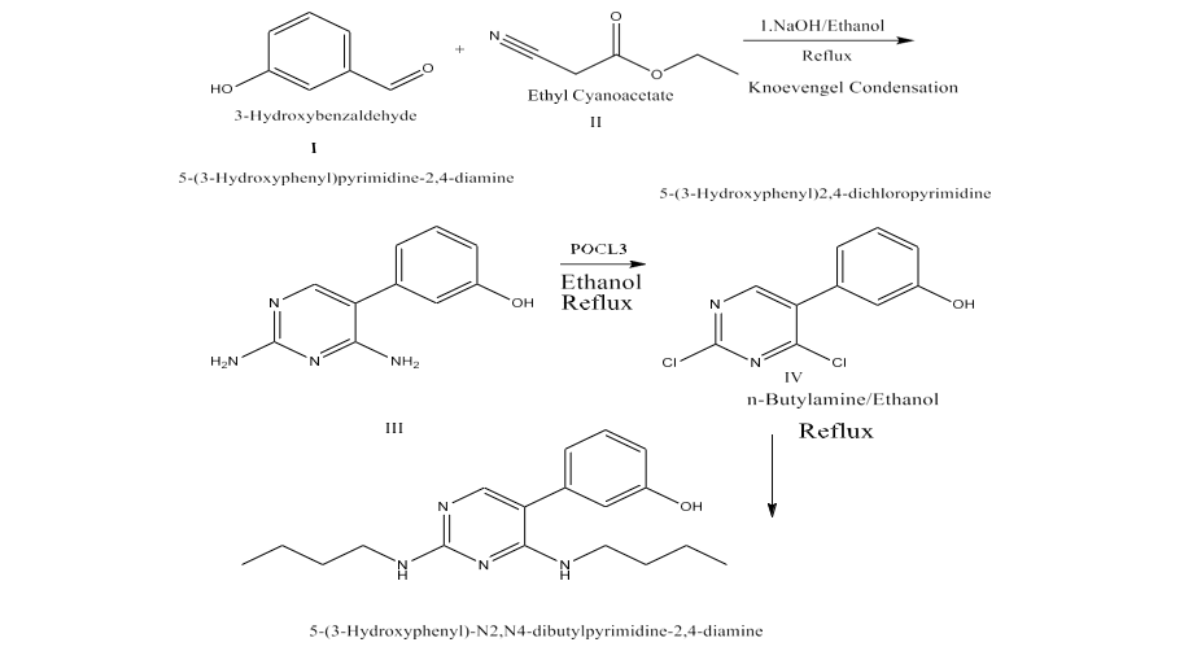
Fig.4 Synthesis of N2, N4-Dibutylpyrimidine-2,4-diamine Derivatives
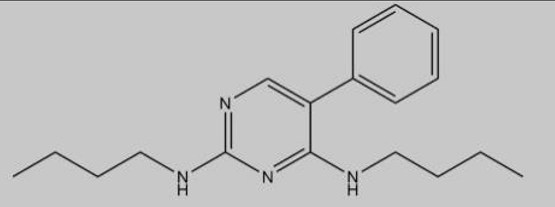
C1: Preparation of 5-Phenyl-N2, N4-Dibutylpyrimidine-2,4-Diamine
One common approach is to start with a phenyl-substituted β-ketoester such as ethyl benzoylacetate, which already carries the phenyl group that will become the C-5 substituent of the pyrimidine ring. This is then condensed with guanidine or a suitable guanidine derivative under basic conditions (e.g., sodium ethoxide in ethanol) to form a 5-phenyl-pyrimidine-2,4- diamine core via cyclization. After formation of the pyrimidine ring, the amino groups at the N² and N⁴ positions are selectively alkylated using butyl halides (such as n-butyl bromide) in the presence of a base like potassium carbonate or sodium hydride to yield the final product, N², N⁴-dibutyl-5-phenylpyrimidine-2,4-diamine. This route ensures that the phenyl group is incorporated early in the ring construction, giving better regioselectivity and derivatives overall yield 75% -93%.
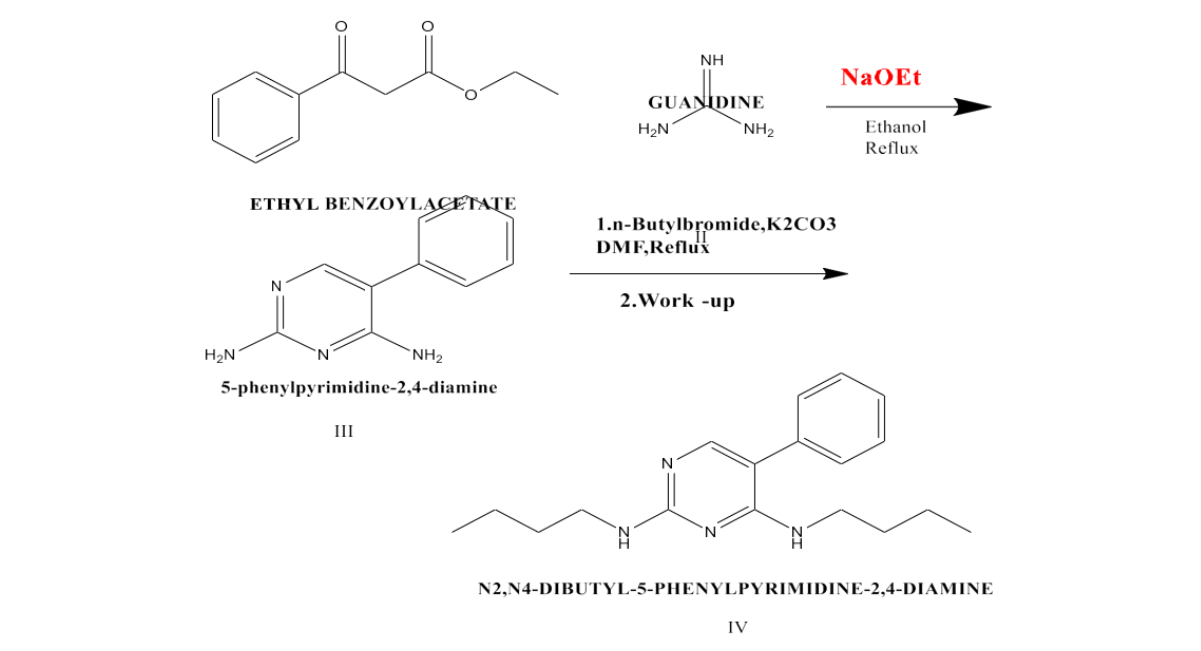
Fig.5 Synthesis of 5-Phenyl-N2, N4-Dibutylpyrimidine-2,4-Diamine
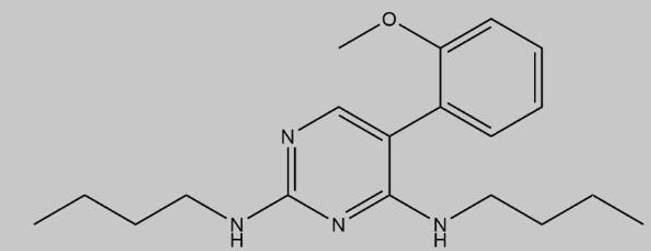
C2: Preparation of 5-(2-Methoxyphenyl)-N2, N4-Dibutylpyrimidine-2,4-Diamine
A practical approach is to first construct the substituted pyrimidine core via a cyclocondensation route. Typically, 2-methoxybenzaldehyde (o-anisaldehyde) is condensed with a suitable β-dicarbonyl compound such as ethyl acetoacetate and guanidine or a guanidine derivative under basic conditions (e.g., sodium ethoxide in ethanol) to form a 5-(2- methoxyphenyl)-substituted pyrimidine intermediate. This step forms the pyrimidine ring with the aryl group already introduced at the 5th position. The resulting 2,4-dichloropyrimidine or 2,4-dihydroxypyrimidine intermediate (depending on reagents used) is then subjected to nucleophilic substitution with n-butylamine in excess, typically under reflux conditions, to replace the reactive groups at positions 2 and 4, yielding N², N⁴-dibutyl substitution. Final purification (recrystallization or column chromatography) provides the target compound, N², N⁴-dibutyl-5-(2-methoxyphenyl) pyrimidine-2,4-diamine, with the desired substitution pattern.
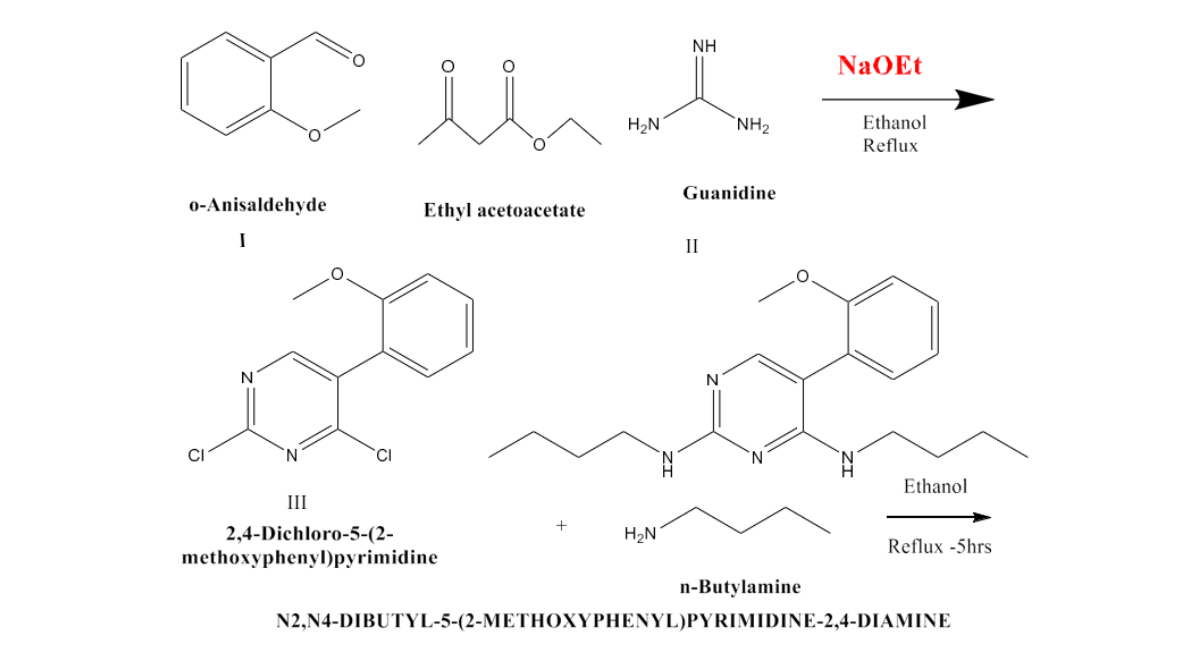
Fig.6 Synthesis of 5-(2-Methoxyphenyl)-N2, N4-Dibutylpyrimidine-2,4-Diamine
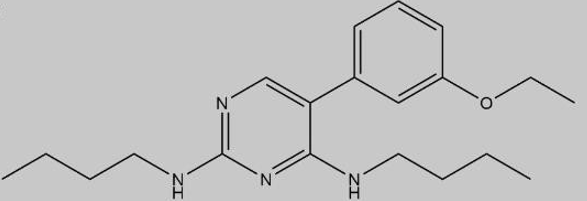
C3: Preparation of 5-(3-Ethoxyphenyl)-N2, N4-Dibutylpyrimidine-2,4-Diamine
A practical synthesis of 5-(3-hydroxyphenyl)-N², N⁴-dibutylpyrimidine-2,4-diamine can be achieved by first constructing the substituted pyrimidine core followed by amination. Typically, 3-hydroxybenzaldehyde is condensed with an active methylene compound such as ethyl cyanoacetate under basic conditions (Knoevenagel condensation) to form a substituted α,β- unsaturated intermediate. This intermediate is then cyclized with guanidine (or urea derivative) under reflux in ethanol or methanol to yield a 5-(3-hydroxyphenyl) pyrimidine-2,4-dione or diamine precursor. Subsequent chlorination using reagents like POCl₃ converts the 2,4- positions into reactive chloro groups, forming 5-(3-hydroxyphenyl)-2,4-dichloropyrimidine. Finally, nucleophilic substitution with n-butylamine (in excess, under heating) replaces both choro groups to give the target N², N⁴-dibutylpyrimidine-2,4-diamine derivative with the 3- hydroxyphenyl group at the 5th position. The product can be purified by recrystallization or column chromatography.
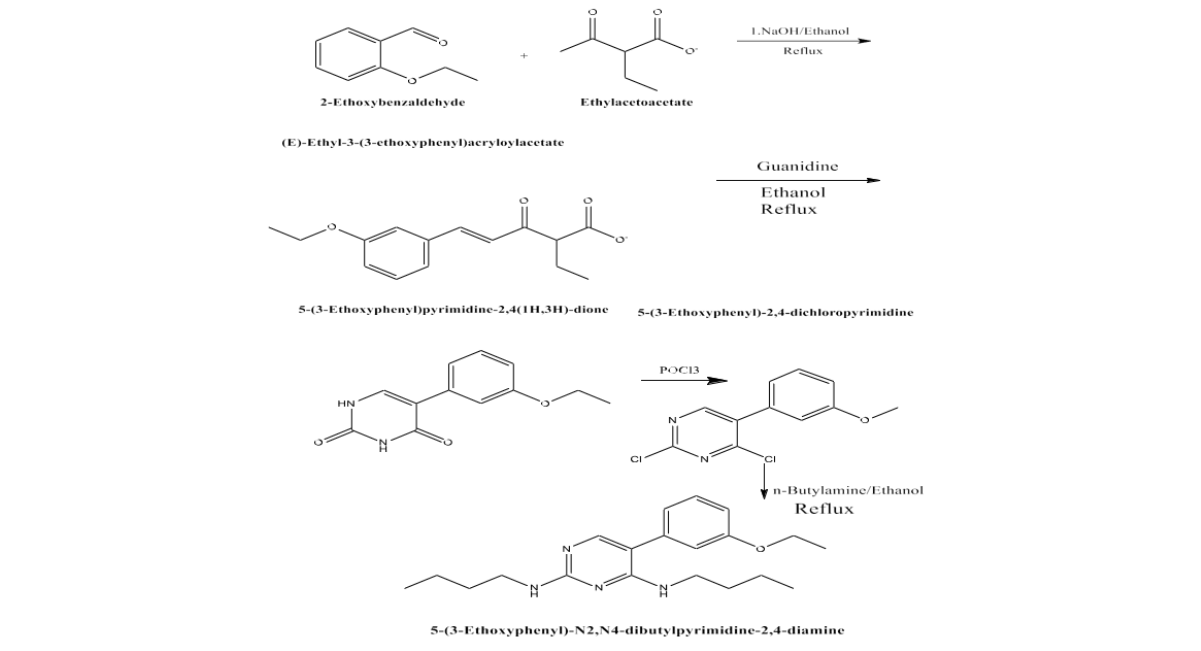
Fig.7 Synthesis of 5-(3-Ethoxyphenyl)-N2, N4-Dibutylpyrimidine-2,4-Diamin
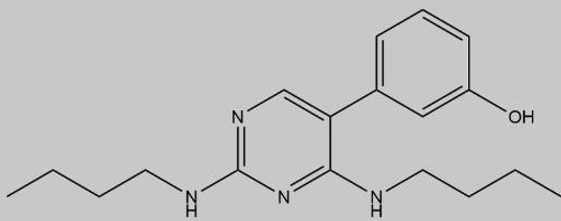
C4: Preparation of 5-(3-Hydroxyphenyl)-N2, N4-Dibutylpyrimidine-2,4-Diamine
A practical synthesis of 5-(3-hydroxyphenyl)-N², N⁴-dibutylpyrimidine-2,4-diamine can be achieved by first constructing the substituted pyrimidine core followed by amination. Typically, 3-hydroxybenzaldehyde is condensed with an active methylene compound such as ethyl cyanoacetate under basic conditions (Knoevenagel condensation) to form a substituted α,β- unsaturated intermediate. This intermediate is then cyclized with guanidine (or urea derivative) under reflux in ethanol or methanol to yield a 5-(3-hydroxyphenyl) pyrimidine-2,4-dione or diamine precursor. Subsequent chlorination using reagents like POCl₃ converts the 2,4- positions into reactive chloro groups, forming 5-(3-hydroxyphenyl)-2,4-dichloropyrimidine. Finally, nucleophilic substitution with n-butylamine (in excess, under heating) replaces both choro groups to give the target N², N⁴-dibutylpyrimidine-2,4-diamine derivative with the 3- hydroxyphenyl group at the 5th position. The product can be purified by recrystallization or column chromatography.
C5: Preparation of 5-(3-Nitrophenyl)-N2, N4-Dibutylpyrimidine-2,4-Diamine
To synthesize 5-(3-nitrophenyl)-N², N⁴-dibutylpyrimidine-2,4-diamine, a practical route involves constructing the substituted pyrimidine core first, followed by amination. Typically, 3-nitrobenzaldehyde is condensed with a suitable β-Di carbonyl compound such as ethyl acetoacetate under basic conditions (Claisen–Schmidt type condensation) to form an α, β- unsaturated intermediate. This intermediate then undergoes cyclization with guanidine or urea derivatives to yield a 5-(3-nitrophenyl) pyrimidine-2,4-dione or dichloro intermediate (depending on reagents like POCl₃ if chlorination is used). If a 2,4-dichloropyrimidine derivative is formed, it is subsequently subjected to nucleophilic substitution with butylamine in excess, leading to stepwise replacement of both chlorine atoms at positions 2 and 4 to produce the final N², N⁴-dibutylpyrimidine-2,4-diamine substituted at the 5-position with a 3- nitrophenyl group. The reaction is usually carried out under reflux in an appropriate solvent such as ethanol or DMF, followed by purification through recrystallization or column chromatography.
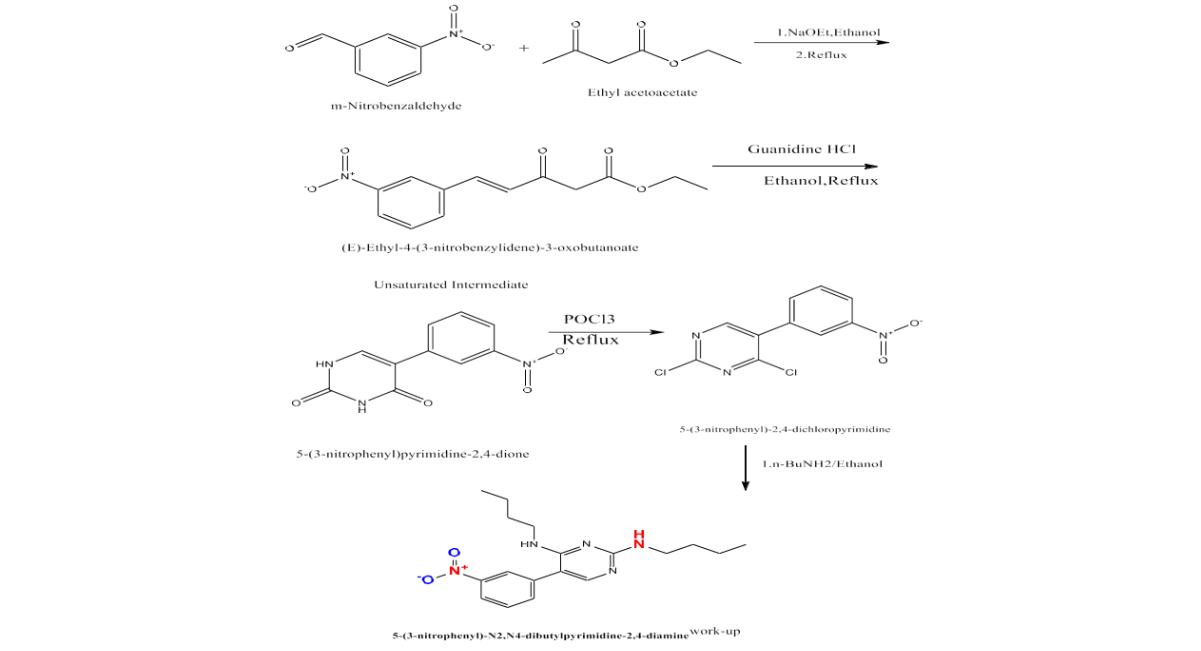
Fig.8 Synthesis of 5-(3-Nitrophenyl)-N2, N4-Dibutylpyrimidine-2,4-Diamine
COMPOUNDS AND THEIR IUPAC NOMENCULTURE
|
Compound Code |
STRUCTURE |
IUPAC Nomenclature |
|
C1 |
|
5-PHENYL-N2, N4- DIBUTYLPYRIMIDINE- 2,4-DIAMINE |
|
C2 |
|
5-(2- METHOXYPHENYL)- N2, N4- DIBUTYLPYRIMIDINE- 2,4-DIAMINE |
|
C3 |
|
5-(3-ETHOXYPHENYL)- N2, N4- DIBUTYLPYRIMIDINE- 2,4-DIAMINE |
|
C4 |
|
5-(3- HYDROXYPHENYL)- N2, N4- DIBUTYLPYRIMIDINE- 2,4-DIAMINE |
|
C5 |
|
5-(3-NITROPHENYL)- N2, N4- DIBUTYLPYRIMIDINE- 2,4-DIAMINE |
Table 1. Compounds And Their Iupac Nomenculture SAR [13-17]
Structure-Activity Relationship (SAR) of Novel compound 5-(3-nitrophenyl)-N2, N4- dibutylpyrimidine-2,4-diamine
The potency of this specific compound is driven by the interaction of its functional groups with the target enzymes (typically DNA gyrase/Topoisomerase IV):
The compound 5-(3 nitrophenyl) N², N⁴ dibutyl pyrimidine 2,4 diamine is part of a recently reported series of 5 aryl N², N⁴ dibutyl pyrimidine 2,4 diamine derivatives that show promising antibacterial activity, especially against Gram positive Staphylococcus aureus, while exhibiting weaker or negligible activity against the Gram-negative Escherichia coli strain compared with the standard fluoroquinolone ciprofloxacin.
Structural features and SAR
In this scaffold, the N², N⁴ dibutyl groups on the pyrimidine 2,4 diamine [18] core provide lipophilicity and likely influence membrane penetration and target interaction, whereas the 5- aryl substituent (here 3 nitrophenyl) governs electronic, steric, and π stacking effects with the biological target (SAR) of Novel compound 5-(3-nitrophenyl)-N2, N4-dibutylpyrimidine-2,4- diaine.
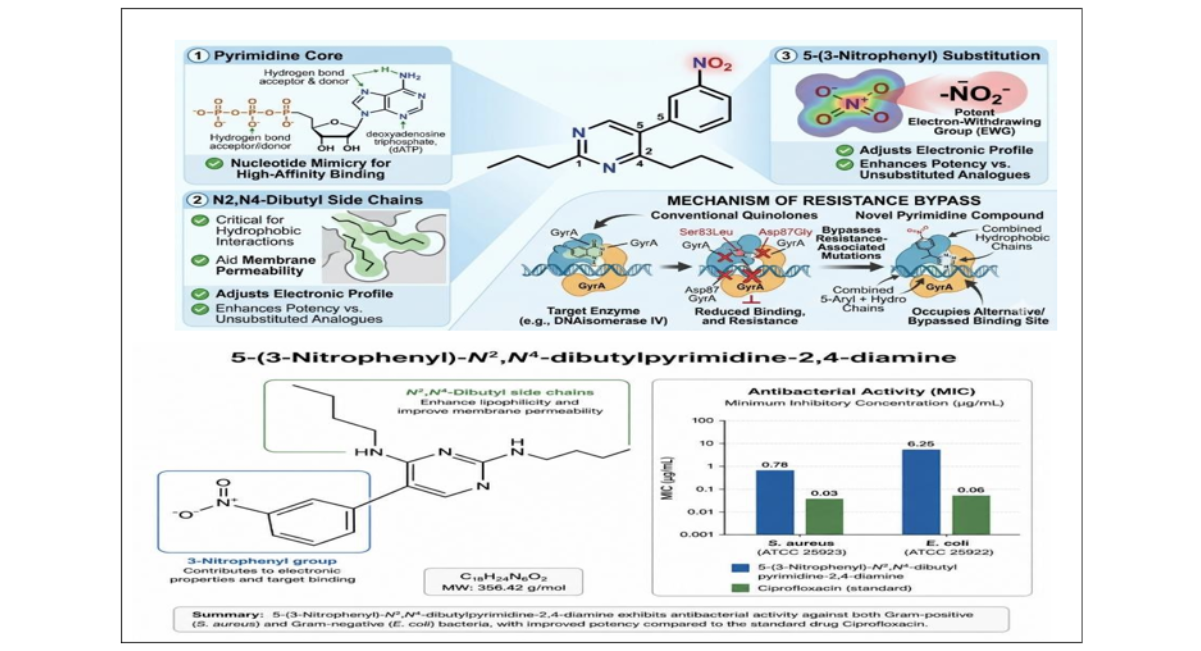
Fig. 9 SAR of novel compound 5-(3-nitrophenyl)-N2, N4-dibutylpyrimidine-2,4-diamine
Physicochemical Characterization of synthesized compounds
|
Code |
Molecular Formula |
Molecular Weight |
SMILES |
Melting Point(°C) |
TLC(Rf)* |
%Yield |
Key IR Absorption Peaks (cm−1) |
|
C1 |
C18H26N4 |
299.43g/mol |
CCCCNC 1=NC(NC CCC)=NC=C1C2=C C=CC=C2 |
197 |
0.65 |
86% |
3300–3400 (N-H str), 2850–2960(C-H aliphatic), 1580–1620 (C=N ring), 1450–1500 (C=C aromatic |
|
C2 |
C19H28N4O |
328.45g/mol |
CCCCNC 1=NC(NC CCC)=NC =C1C2=CC=CC=C2 OC |
195 |
0.62 |
78% |
3300–3400 (N-H str), 2830 (Ar-OCH), 1240 (C-O-C asymmetric), 1585 (C=N ring), 1040 (C-O-Csymmetric) |
|
C3 |
C20H30N4O |
342.48g/mol |
CCCCNC 1=NC(NC CCC)=NC =C1C2=CC=CC(OC C)=C2 |
198 |
0.68 |
75% |
3310–3420 (N-H str), 2970 (C-Hethyl), 1245 (C-O-C ether), 1600 (C=N ring), 1110 (C-O str) |
|
C4 |
C18H26N4O |
314.43g/mol |
CCCCNC 1=NC(NC CCC)=NC =C1C2=C C=CC(O)=C2 |
191 |
0.45 |
82% |
3200–3550 (O-H broad & N-H),1610 (C=N ring), 1360 (C-Ophenolic), 1210 (C-N str) |
|
C5 |
C18H25N5O2 |
343.43g/mol |
CCCCNC 1=NC(NC CCC)=NC =C1C2=C C=CC([N +]([O-])=O)=C2 |
199 |
0.58 |
93% |
3320 (N-H str), 1530 (-N=Oasymmetric),1350 (NO)symmetric), 1615 (C=N ring), 850 (C-N for NO) |
Table 2. Physicochemical Characterization of synthesized compounds
Biological Evaluation of Synthesized Compound
In vitro Antimicrobial screening
In vitro Anti- Bacterial screening
Agar Well Diffusion Method [19]
The biological evaluation[20-25] of N²,N⁴-dibutylpyrimidine-2,4-diamine is carried out by preparing its solution in a suitable solvent DMSO and testing antibacterial activity using the agar well diffusion, where standardized microbial cultures such as Staphylococcus aureus, Escherichia coli are inoculated onto appropriate media, followed by application of the compound into wells or tubes at different concentrations; after incubation at 35–37°C for 24– 48 hours, zones of inhibition are measured and minimum inhibitory concentration (MIC) is determined as the lowest concentration preventing visible growth.
Preparation of Penicillin Solution (Standard):
About 20 µg of the penicillin was weighed and dissolved in 33.4 ml of sterile water to obtain a concentration of 100µg/ml stock solution. From the above 1.5 ml of the stock solution was taken and diluted to 10 ml so as to get the 15 µg/ml concentration of penicillin.
Preparation of Sample Solution (Synthesized Compounds):
Preparation of stock solutions:
Stock solutions of the synthesized compounds were prepared in N, N-dimethyl-formamide (DMSO) in the concentration of 100 µg/ml.
XPreparation of the desired concentration of the synthesized compounds:
50 µg/ml-100 µg/ml concentrations of synthesized compounds in N, N-dimethyl-formamide (DMSO) were prepared from the stock solution.
Antibacterial activity [26-29] of N², N⁴-dibutylpyrimidine-2,4-diamine derivatives against gram positive bacteria (Staphyloccus aureus) at 50 ug and 100 ug concentrations
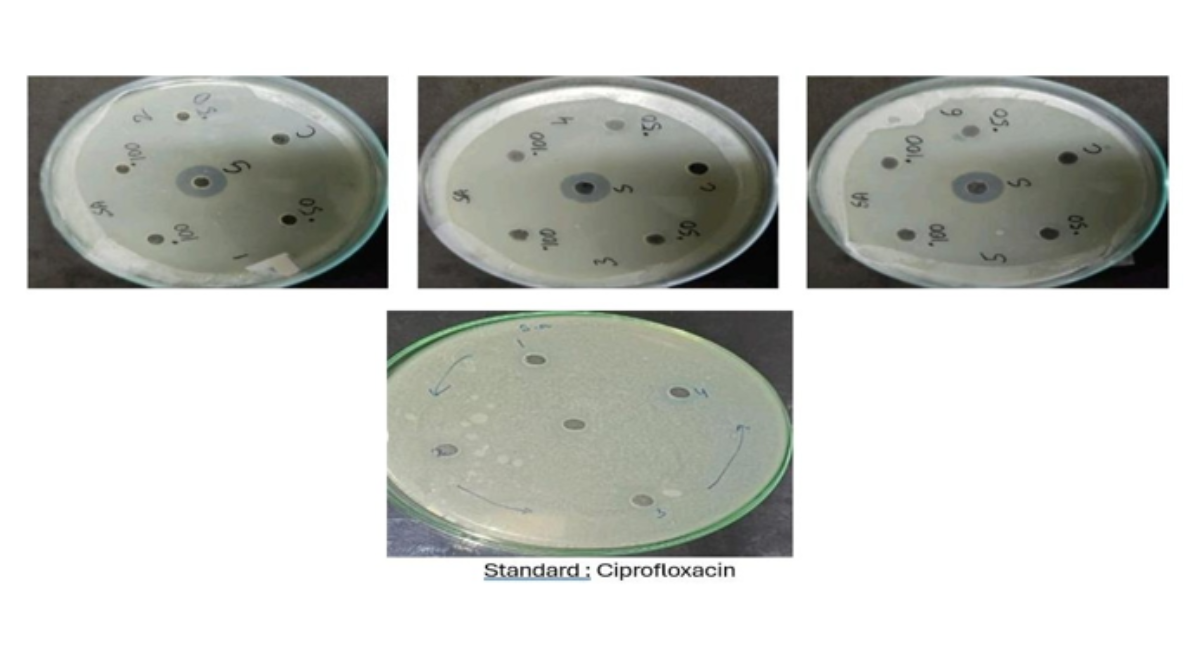
Fig.10 Antibacterial activity of N², N⁴-dibutylpyrimidine-2,4-diamine derivatives against gram positive bacteria (Staphyloccus aureus) at 50 ug and 100 ug concentrations
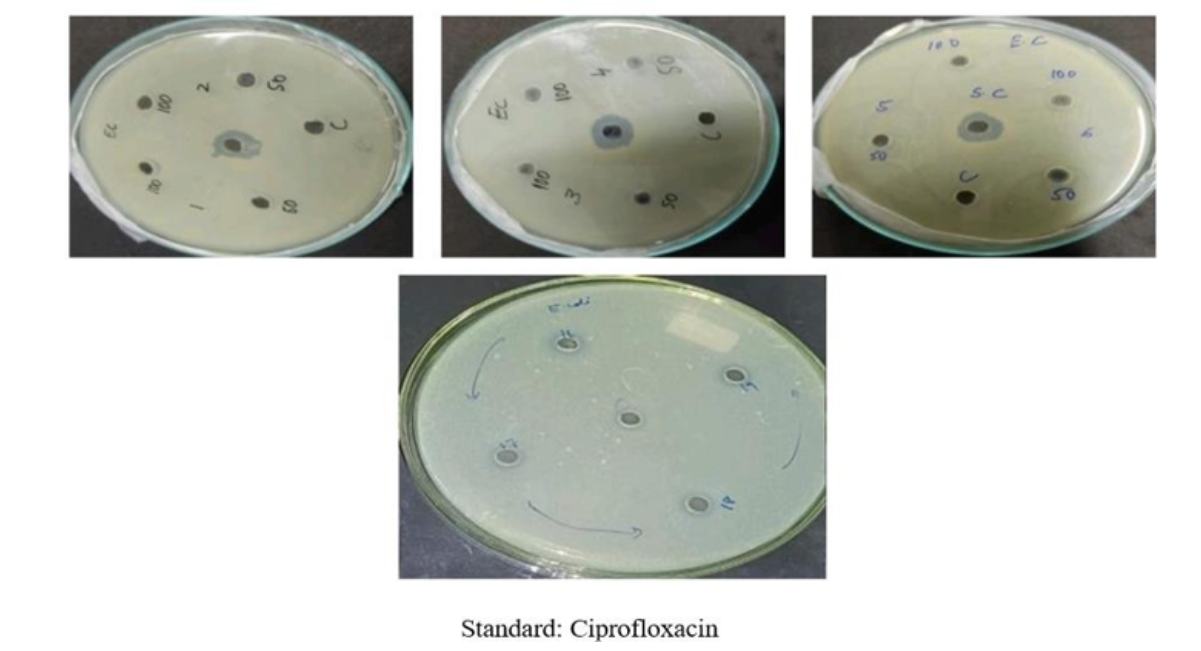
Fig. 11 Antibacterial activity of N², N⁴-dibutylpyrimidine-2,4-diamine derivatives against gram positive bacteria (Escherichia coli) at 50 ug and 100 ug concentrations
|
Sample Code |
Gram+Ve |
Gram-Ve |
||
|
Zone of Inhibition(mm)a MIC |
Zone of Inhibition(mm)a MIC |
|||
|
100 μg/ml |
50 μg/ml |
100 μg/ml |
50 μg/ml |
|
|
Standard (Ciprofloxacin) |
22 |
23 |
22 |
24 |
|
C1 |
17 |
19 |
16 |
20 |
|
C2 |
19 |
21 |
17 |
19 |
|
C3 |
18 |
20 |
19 |
21 |
|
C4 |
17 |
21 |
18 |
20 |
|
C5 |
21 |
22 |
21 |
23 |
Table 3. Zone of inhibition of anti- bacterial activity of N², N⁴-dibutylpyrimidine-2,4- diamine derivatives (Agar Well Diffusion Method)
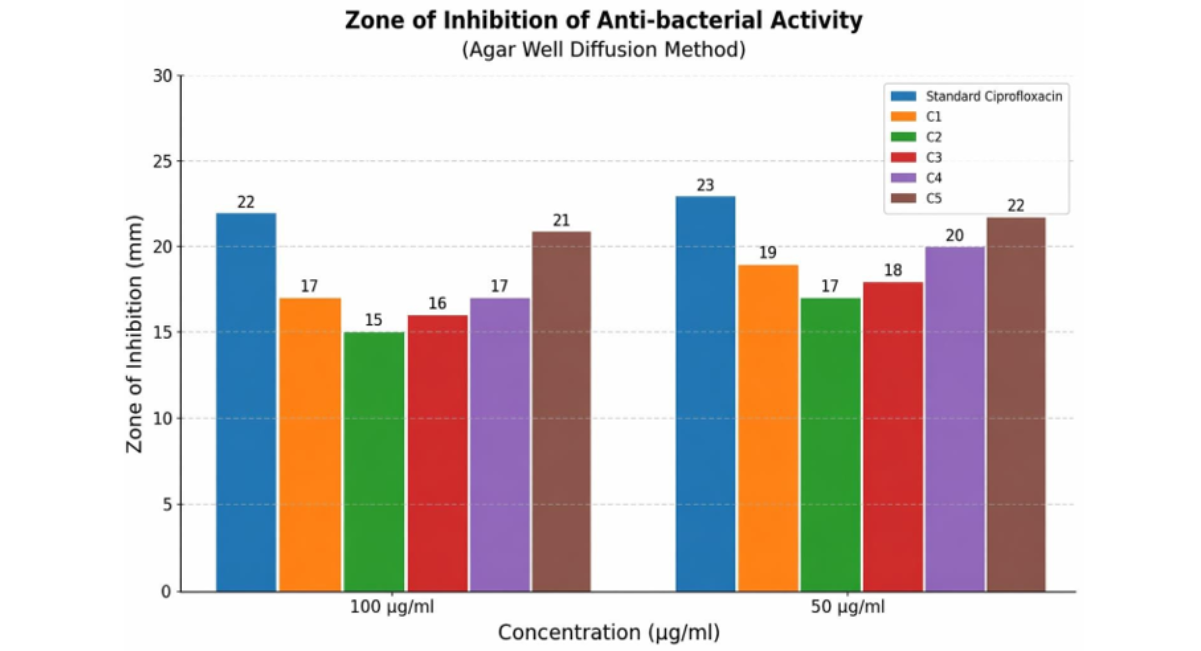
Fig.12 Zone of Inhibition of anti-bacterial activity of synthesized compounds
The synthesis of novel N², N⁴-substituted pyrimidine-2,4-diamine derivatives (C1–C5) was accomplished using a structured, multi-step synthetic strategy. The central pyrimidine heterocycle was initially constructed via the condensation of cyanamide with active methylene precursors (such as ethyl cyanoacetate) under controlled acidic or basic reflux conditions. Subsequently, the target aliphatic amine linkages were introduced at the N² and N⁴ positions through sequential regioselective nucleophilic aromatic substitution or direct alkylation protocols using structural intermediates. To provide structural diversity and evaluate specific electronic environments, five distinct peripheral modifications were successfully introduced at the core template using substituted aromatic compounds. The optimization of reaction configurations, including solvent choices, base catalysts, and reflux durations, allowed this synthetic methodology to consistently deliver the target derivatives in outstanding raw and purified yields ranging from 75% to 93%. Thin-layer chromatography (TLC) using customized mobile phases (such as Dichloromethane/Ethyl Acetate mixtures) was regularly employed to confirm the completion of the reaction and verify the structural purity. The crude precipitates were isolated and systematically purified using standard recrystallization methods to yield analytically pure crystalline products.
In order to evaluate the potential application of this new pyrimidine library in the context of rising antimicrobial resistance (AMR), all synthesized target compounds underwent in vitro antibacterial susceptibility testing. These compounds were assessed using either standard broth microdilution or agar well diffusion methods against representative pathogenic panels, including Gram-positive Staphylococcus aureus and Gram-negative Escherichia coli. The quantitative efficacy profiles were documented as Minimum Inhibitory Concentrations (MIC, μg/mL), with the broad-spectrum fluoroquinolone antibiotic, Ciprofloxacin, used as a positive control. The screening revealed varying levels of bacterial growth inhibition throughout the series, suggesting that changes in the aryl substitution patterns had a significant impact on antibacterial effectiveness. Compounds with electron-donating or neutral groups exhibited mild to moderate activity against the tested strains. Conversely, those with specific electronic or hydrogen-bonding modifications showed increased activity, indicating improved interaction profiles with the target.
Within the synthesized chemical library, Compound C5 was identified as the leading candidate, exhibiting exceptional broad-spectrum bactericidal activity against both Gram-positive and Gram-negative bacterial strains. This compound is structurally defined by a specific 3- nitrophenyl substitution located on the core pyrimidine framework. Compound C5 consistently recorded the lowest minimum inhibitory concentration (MIC) values across the entire chemical series. Importantly, its quantitative growth inhibition profiles against both S. aureus and E. coli nearly matched the potency of the reference drug, Ciprofloxacin. This finding indicates that the 3-nitrophenyl modification enhances the chemical structure, facilitating effective penetration of bacterial cell membranes and ensuring high stability within the intracellular environment.
A comprehensive examination of the biological screening data provides significant insights into the Structure-Activity Relationship (SAR) that regulates this new class of N²,N⁴- substituted pyrimidine-2,4-diamines:
One series of total five (N², N⁴-dibutylpyrimidine-2,4-diamine) derivatives were synthesized, Characterization like Melting point, TLC, IR, spectra of synthesized compounds (C5) were conducted. From the result obtained for antibacterial screening for the synthesized C5 was found highly antibacterial activity at 50 μg/ml. The results of antibacterial activity indicate that newly synthesized compound C5 showed good antibacterial activity at low concentrations as compared to standard drug Ciprofloxacin. In conclusion, particularly with nitro-phenyl substitution, is a promising lead C5 i.e. 5-(3-Nitrophenyl)-N2, N4-Dibutylpyrimidine-2,4- Diamine play an important role in the synthesis of many drugs and have drawn considerable interest from researchers.
The author declares no conflicts of interest.
Data of Figures
S1: IR of 5-Phenyl-N2, N4-Dibutylpyrimidine-2,4-Diamine
S2: IR of 5-(2-Methoxyphenyl)-N2, N4-Dibutylpyrimidine-2,4-Diamine
S3: IR of 5-(3-Ethoxyphenyl)-N2, N4-Dibutylpyrimidine-2,4-Diamine
S4: IR of 5-(3-Hydroxyphenyl)-N2, N4-Dibutylpyrimidine-2,4-Diamine
S5: IR of 5-(3-Nitrophenyl)-N2, N4-Dibutylpyrimidine-2,4-Diamine
1.

Fig.S1. IR of 5-Phenyl-N2, N4-Dibutylpyrimidine-2,4-Diamine
2.
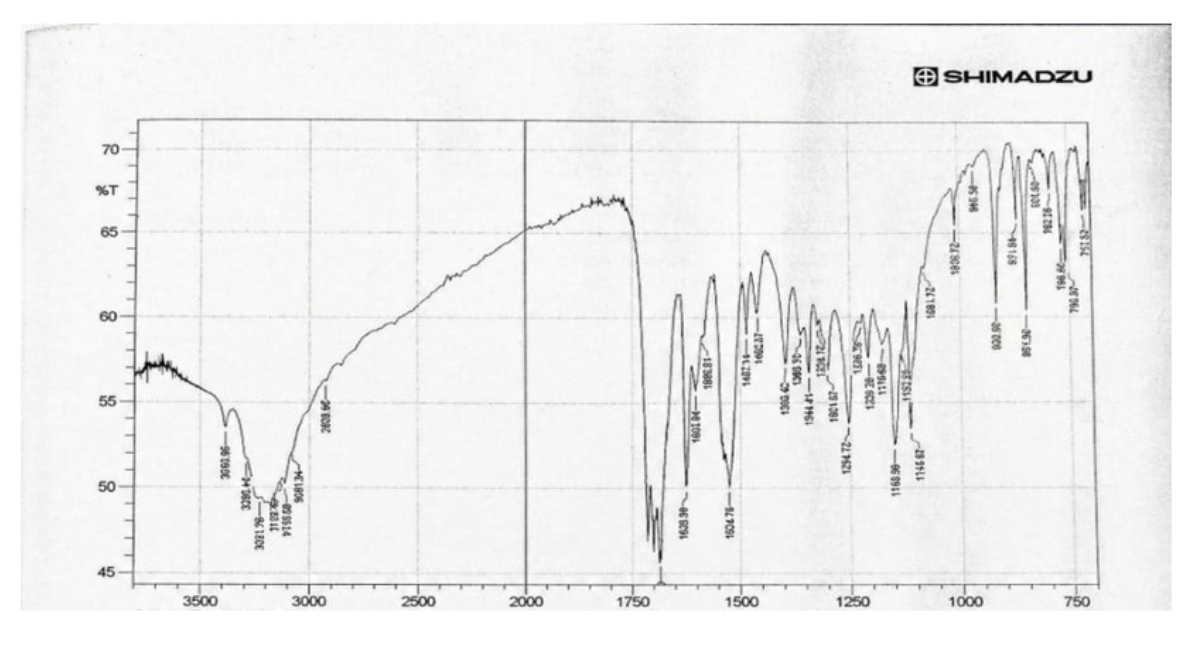
Fig. S2. IR of 5-(2-Methoxyphenyl)-N2, N4-Dibutylpyrimidine-2,4-Diamine
3.
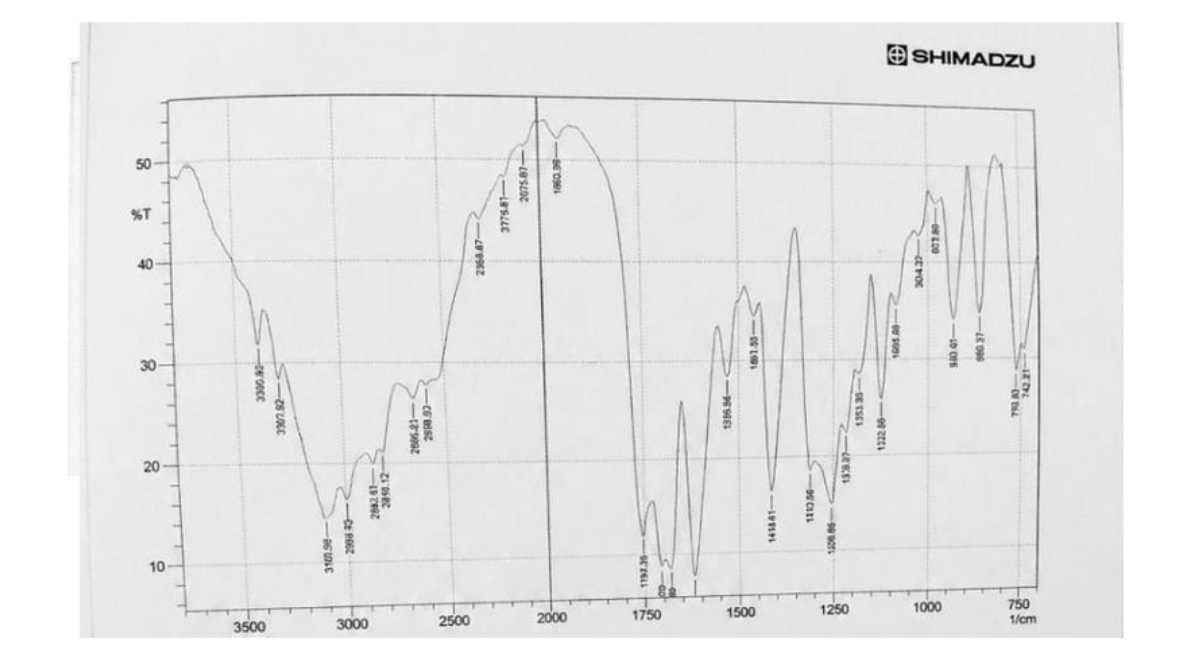
Fig. S3 IR of 5-(3-Ethoxyphenyl)-N2, N4-Dibutylpyrimidine-2,4-Diamine
4.
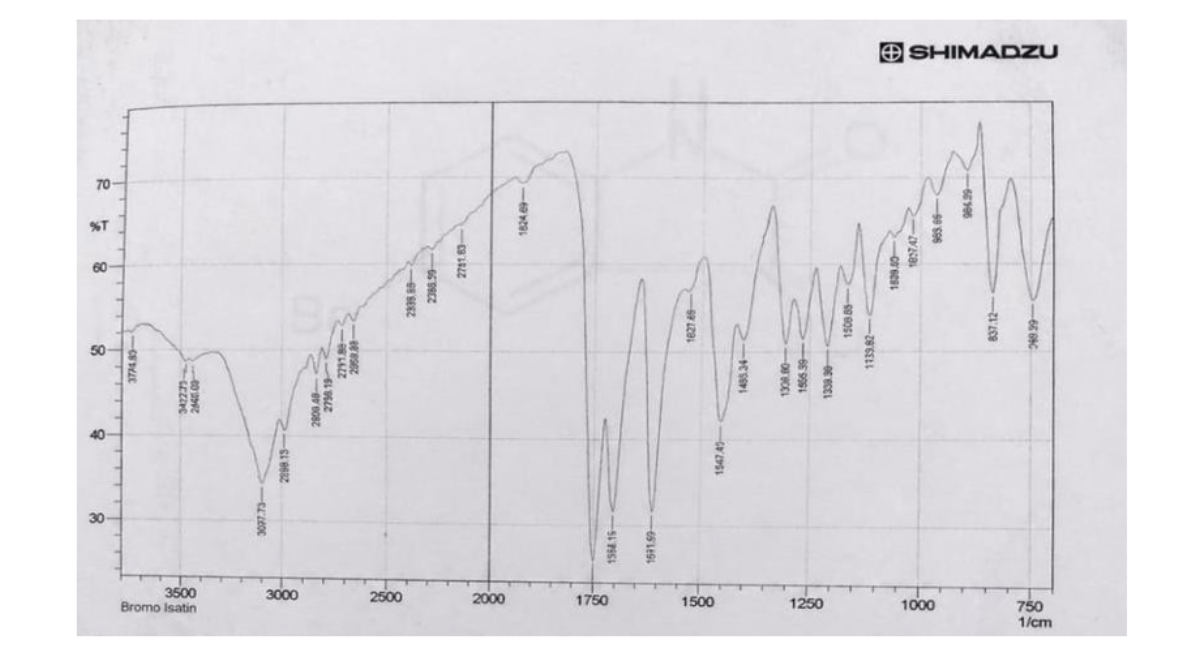
Fig. S4 IR of 5-(3-Hydroxyphenyl)-N2, N4-Dibutylpyrimidine-2,4-Diamine
5.
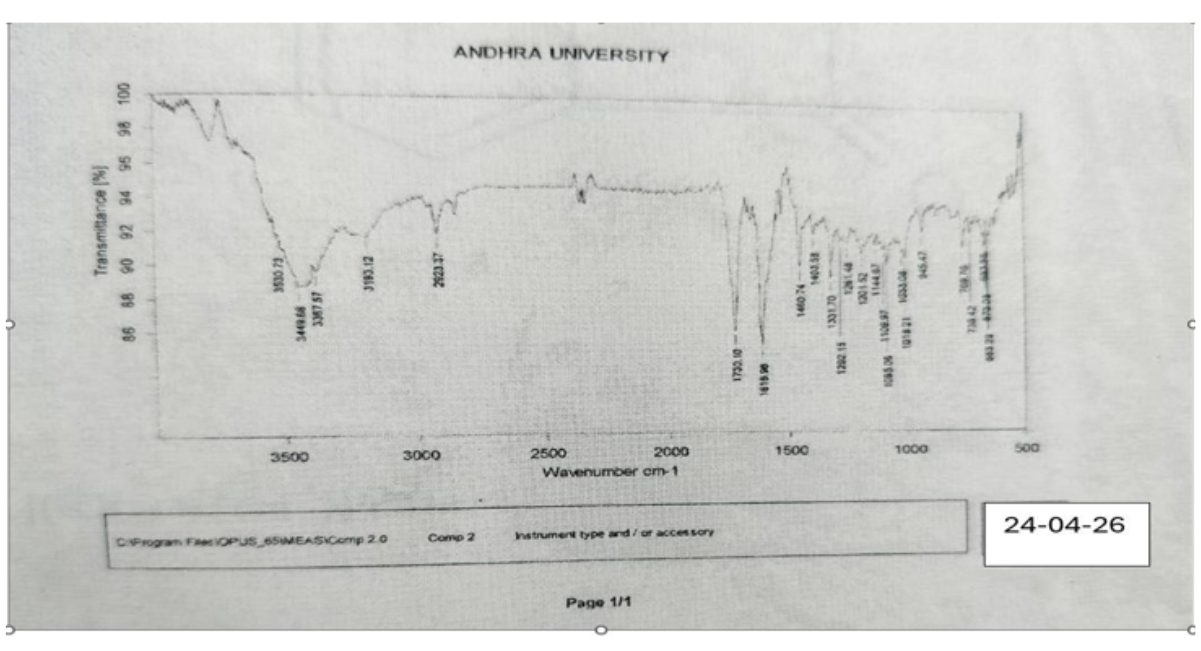
Fig. S5 IR of 5-(3-Nitrophenyl)-N2, N4-Dibutylpyrimidine-2,4-Diamine
Data Of Tables
|
Wavenumber cm⁻¹ |
Intensity |
Assignment |
Functional group |
|
3300-3200 |
Strong |
N-H stretching |
Secondary amine (- NH-) |
|
3050 |
Weak-medium |
=C-H stretching |
Aromatic (phenyl ring) |
|
2950-2850 |
Strong |
C-H stretching |
Aliphatic (butyl chains) |
|
1650-1600 |
Strong |
C=N stretching |
Pyrimidine ring |
|
1600-1500 |
Medium |
C=C stretching |
Aromatic ring |
|
1465-1375 |
Medium |
C-H bending |
CH2/CH3 (alkyl groups) |
|
1300-1000 |
Strong |
C-N stretching |
Amines(pyrimidine+ dibutyl amine) |
|
900-700 |
Medium |
C-H bending |
Substitute phenyl ring |
|
750-700 |
Sharp |
Mono-substituted |
Mono-substituted benzene |
|
Wavenumber cm⁻¹ |
Intensity |
Assignment |
Functional group |
|
3310-3200 |
Broad,Strong |
N-H stretching |
Secondary amine(- NH-) |
|
3050-3000 |
Weak-medium |
=C-H stretching |
Aromatic (phenyl ring) |
|
2960-2850 |
Strong |
C-H stretching |
Aliphatic (butyl chains) |
|
1625-1580 |
Strong |
C=N stretching |
Pyrimidine ring |
|
1590-1500 |
Medium |
C=C stretching |
Aromatic ring |
|
1465-1375 |
Medium |
C-H bending |
CH2/CH3 (alkyl groups) |
|
1325-1200 |
Strong |
C-N stretching |
Amines(pyrimidine+ dibutyl amine) |
|
1170-1030 |
Strong |
C=O stretching |
Aryl-O-CH3 |
|
900-700 |
Medium |
C-H bending |
Substitute phenyl ring |
|
760-700 |
Sharp |
Mono-substituted |
Mono-substituted benzene |
|
Wavenumber cm⁻¹ |
Intensity |
Assignment |
Functional group |
|
3350-3450 |
Medium, sharp |
N-H stretching |
Secondary amine(- NH-) |
|
3010-3090 |
Weak |
C-H stretching |
Aromatic (phenyl ring) |
|
2850-2965 |
Strong multiple |
aliphaticC-H stretching |
Aliphatic (butyl chains) |
|
1610-1560 |
Strong |
C=N stretching |
Pyrimidine ring |
|
1520-1470 |
Medium-strong |
C=C stretching |
Aromatic ring |
|
1465-1455 |
Medium |
C-H bending |
CH2/CH3 (alkyl groups) |
|
1385-1375 |
Strong |
C-N stretching |
Amines(pyrimidine+ dibutyl amine) |
|
1270-1240 |
Strong |
C=O stretching |
C-O-CH3 |
|
1210-1160 |
Medium |
C-H bending |
Substitute phenyl ring |
|
1060-1040 |
medium |
Mono-substituted |
Mono-substituted benzene |
|
810-770 |
strong |
Meta-substituted benzene |
C-H bending |
|
710-680 |
medium |
Meta-substituted benzene |
C-H bending |
|
Wavenumber cm⁻¹ |
Intensity |
Assignment |
Functional group |
|
3350-3200 |
Broad, Strong |
N-H stretching |
Secondary amine(- NH-) |
|
3270 |
Broad, medium |
O-H stretching |
Aromatic -OH |
|
3050 |
Weak-medium |
=C-H stretching |
Aromatic ring (phenyl) |
|
2950-2850 |
Strong |
C=H stretching |
Aliphatic butyl chains |
|
1610-1640 |
Medium |
C=N stretching |
Pyrimidine ring ring |
|
1500-1580 |
Medium |
C=C bending |
Aromatic ring |
|
1450 |
Medium |
CH2 bending |
Aliphatic chains |
|
1300-1200 |
Medium-Strong |
C-N stretching |
Amines/pyrimidine |
|
1250-1150 |
Medium |
C-O stretching |
Phenolic C-O |
|
1070-1000 |
Medium |
C-N stretching |
Amines |
|
830-750 |
Strong |
C-H bending(out of plane) |
Substituted aromatic ring |
|
Wavenumber cm⁻¹ |
Intensity |
Assignment |
Functional group |
|
3430-3320 |
Strong, broad |
N-H stretching |
Secondary amine(- NH-)in pyrimidine |
|
3190-3060 |
Medium |
Aromatic C-H stretching |
Aromatic (phenyl ring) |
|
2962-2928 |
Strong |
Aliphatic-CH stretching |
Aliphatic (butyl chains) |
|
1628-1605 |
Strong |
C=N stretching |
Pyrimidine ring |
|
1565-1525 |
Strong |
Asymmetric -NO2 stretching |
-NO2 group |
|
1462-1430 |
Medium |
N-H bending |
Amine (-NH-)butyl groups |
|
1370-1335 |
Medium |
Symmetric -NO2 stretching |
-NO2 group |
|
1260-1200 |
Medium |
C-N stretching |
C-N in pyrimidine/amine |
|
1130-1030 |
Medium |
C-N stretching ring vibrations |
Pyrimidine ring |
|
890-810 |
Weak-medium |
C-H out -of-plane bending |
Aromatic (phenyl) substitution |
|
760-700 |
Weak |
C-H out -of-plane bending |
Aromatic (phenyl) substitution |


 Download PDF