



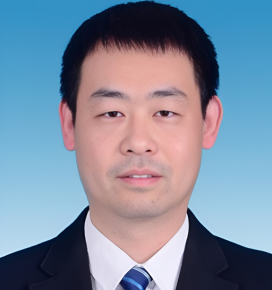


Editor-Member
Associate Professor
Physiology
Mazandaran University of Medical Sciences
Iran
The Journal of Integrative Psychiatric Medicine serves as a comprehensive platform for publishing scholarly work that advances understanding in the fields of psychiatry and mental health. This peer-reviewed, open-access journal is committed to disseminating high-quality research on a wide range of topics, including mood and anxiety disorders, psychotic and personality disorders, neurodevelopmental and neurodegenerative conditions, and substance use disorders. It emphasizes clinical relevance, focusing on studies that explore the biological, psychological, and socio-environmental factors influencing mental health. In addition to original research articles, the journal publishes case reports, reviews, editorials, and short communications that contribute to improving diagnosis, treatment, prevention, and policymaking in mental healthcare. With an interdisciplinary approach, the journal aims to inform practitioners, researchers, educators, and policymakers by promoting evidence-based practices and encouraging innovation in psychiatric care. The ultimate goal is to enhance mental health outcomes globally by fostering collaboration and knowledge-sharing among mental health professionals and institutions.
Authors are requested to submit manuscripts online at Submit Manuscript or Send as an e-mail attachment to the Editorial Office at editorialoffice@confseries.net
Editorial and Publication Process
ConfSeries Journals is committed to maintaining an efficient, transparent, and quality-focused editorial workflow to support the dissemination of scholarly research.
The journal aims to provide authors with a transparent and structured publication process while ensuring that all submissions undergo appropriate editorial assessment and peer review procedures. Editorial timelines may vary depending on the scope of the manuscript, reviewer availability, revision requirements, and the overall review process.
Authors may choose to publish through the journal's standard publication workflow, which includes editorial screening, peer review, revisions (where required), copyediting, and final publication.
All submissions are evaluated based on scientific quality, originality, ethical compliance, and relevance to the journal's scope. The editorial process is designed to maintain academic integrity and ensure consistency in publication standards.
Accepted manuscripts proceed through production stages including formatting, proof reviewS and online publication.
Authors retain the copyright of their published work, and final articles are made available through the journal's open-access publishing model to support global accessibility and scholarly communication.
The journal publishes articles in digital formats suitable for online dissemination and digital accessibility, including PDF and other standard publishing formats where applicable.
The editorial team is committed to following recognized scholarly publishing practices and maintaining transparency throughout the publication process.
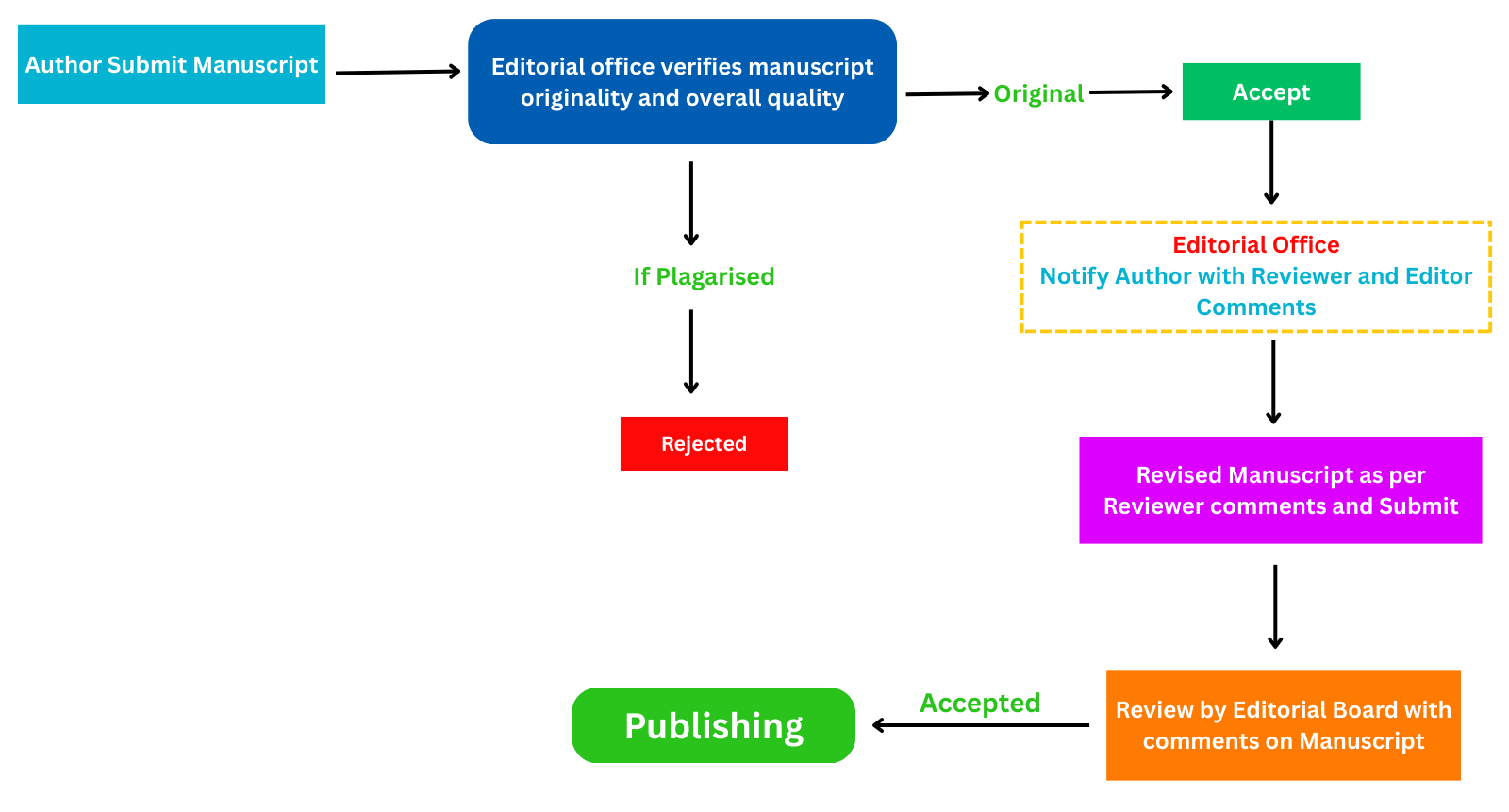
Confseries follows a structured editorial and peer-review process designed to ensure academic quality, ethical integrity, and timely publication. Each manuscript progresses through clearly defined stages,as illustrated in the peer review workflow.
Manuscript Submission
Authors submit their manuscripts through the Confseries submission platform. All submissions must
comply with the journal's scope, author instructions, and ethical standards.
Editorial Office Initial Check
Each new submission undergoes an initial assessment by the editorial office to confirm:
Manuscripts identified with major plagiarism, duplicate submission, or serious ethical issues are rejected at this stage without external review. Submissions meeting basic requirements proceed to peer review.
After passing the initial screening:
Reviewer Assessment
Reviewers critically evaluate the manuscript focusing on:
Editorial Decision
Based on reviewer feedback and editorial evaluation, one of the following decisions is issued:
Revision and Re-evaluation
For manuscripts requiring revision:
Acceptance and Publication
Manuscripts accepted for publication proceed to the production phase, which includes:
Ethical and Editorial Integrity
The Confseries peer-review workflow reflects a clear, ethical, and structured editorial process, ensuring that every manuscript is evaluated rigorously before publication.